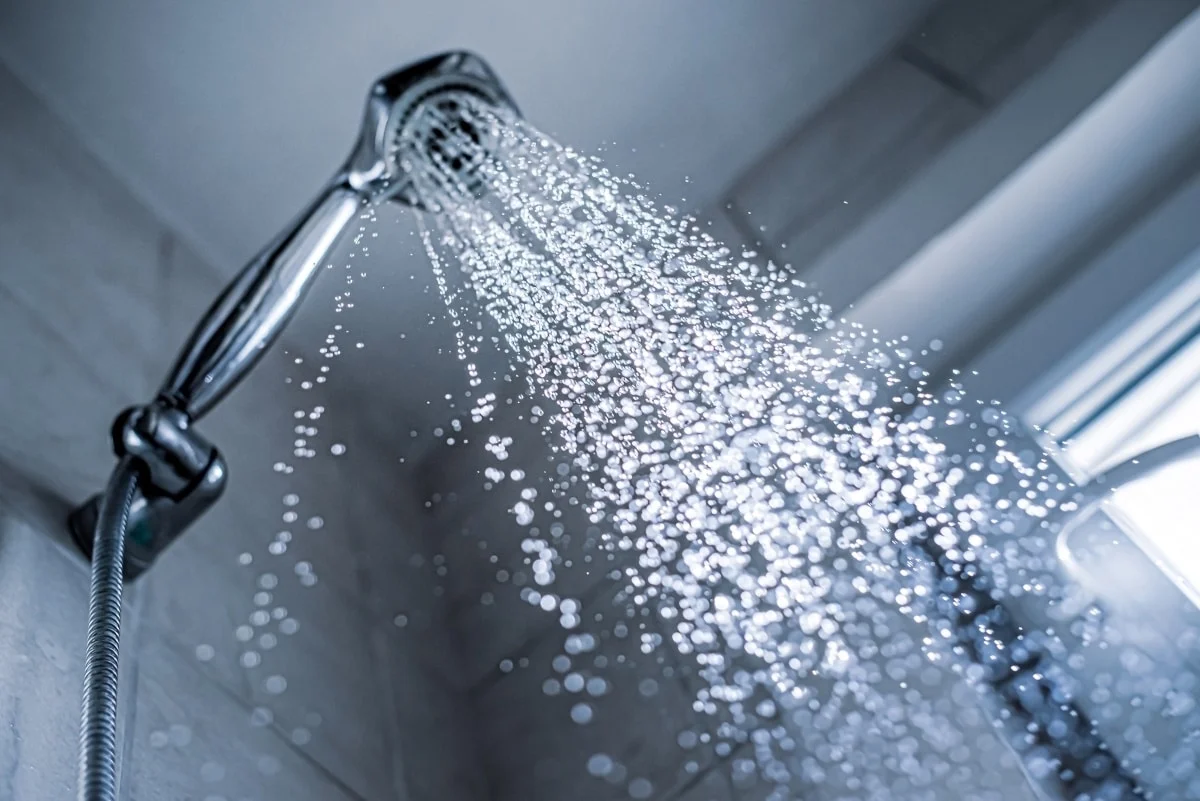
Why Is My Shower Not Staying Hot?

When a shower runs hot for a few minutes and then turns cold, the problem usually traces back to one of four water heater issues: undersized tank capacity, a failing heating element or burner, sediment buildup, or a faulty thermostat. Understanding which issue applies to a specific home points directly toward the right repair.

That question, simple as it sounds, sends a lot of Greensboro homeowners searching for answers in the middle of a rinse cycle. The answer is not always straightforward because several different components can cause the same symptom. The sections below break down each cause, explain what is happening inside the unit, and describe what a licensed plumber will look for when diagnosing the problem.

Why a Shower Starts Hot and Then Goes Cold

If a shower starts out hot but quickly turns lukewarm or even cold, the water heater may be too small for the demands of the home. Other issues can include a failing heating element or burner, sediment buildup in the tank, or a faulty shower mixing valve.

The key distinction to make first is whether the problem happens at the beginning of a shower or partway through. If the water is cold from the start, the issue is almost always with the heater itself. If the water starts hot and fades, the tank is likely running out of stored hot water before the shower is finished, or a component is failing mid-operation.

Common Water Heater Problems That Cause Cold Showers in Greensboro

Capacity Is Too Small

A tank that is undersized for the household will run out of hot water before all users and fixtures are done using it. This is only a factor for traditional tank water heaters.

When the tank is not big enough to serve the number of users and fixtures in the house, it will run out of supply before everyone is done using it. A family of four in a Greensboro home with a 30-gallon tank is likely outpacing supply on mornings when multiple people shower back to back. The standard guidance for tank sizing is 10 to 15 gallons per person in the household, though actual demand varies based on shower length and simultaneous fixture use.

Failing Heating Element or Burner

In an electric water heater, a failing heating element allows water temperature to drop during use because the element cannot maintain consistent heat output as it degrades.

There is a heating element that raises the temperature of the water in an electric water heater. In a gas model, there is a burner. Either way, if this component is not working as it should, or as well as it used to, the water might not stay hot throughout a shower.

Electric water heaters typically have two elements, one near the top of the tank and one near the bottom. When the lower element fails, the heater still warms the upper portion of the tank, so the first few gallons feel hot. Once that top layer is used, cold water takes over. A plumber can test element resistance with a multimeter to confirm failure.

Sediment Buildup in the Tank

Sediment buildup reduces effective tank capacity and insulates the heating element from the water, forcing the unit to work harder while delivering less consistent heat output.

This is another issue that only relates to traditional tank models. Over time, minerals from the water can accumulate in the bottom of the tank, taking up space and effectively reducing the interior volume. This not only cuts down on capacity, but it also makes it harder for the heating element or burner to warm up the water.

Greensboro’s municipal water supply carries dissolved minerals, primarily calcium and magnesium, that precipitate out of solution as water is heated repeatedly. In older homes, where the water heater may not have been flushed in years, sediment layers can be significant. A plumber flushing the tank will often see discolored water and visible mineral flakes. Annual flushing is a straightforward maintenance step that extends tank life and keeps performance consistent.

Faulty Thermostat

A failing water heater thermostat sends incorrect signals to the heating components, causing the water temperature to fall below the set point during a shower.

Sometimes the issue is as simple as a failing thermostat not sending the right message to the rest of the unit. The thermostat is supposed to keep track of the temperature of the water and tell the heating components when they should be running. If there is something wrong with the thermostat, that heating process will not work as it should.

Electric water heaters have separate thermostats for each element. Either one can fail independently. Gas units typically have a single thermostat integrated into the gas valve assembly. In both cases, thermostat failure is often confirmed by checking whether the set temperature on the dial matches actual water output temperature at the tap.

Faulty Shower Mixing Valve

A worn or malfunctioning mixing valve inside the shower itself can allow cold water to bleed into the hot supply line, causing temperature fluctuations that mimic a failing water heater.

This is a component that is easy to overlook because it is inside the wall rather than at the water heater. The mixing valve blends hot and cold water to deliver the temperature selected at the handle. When the valve cartridge wears out, it can lose the ability to maintain that ratio. The result is inconsistent temperature at the showerhead, even when the water heater is functioning normally. If a plumber inspects the water heater and finds it in good working order, the mixing valve is the next logical point of investigation.

“Adam Rhodes, Licensed Master Plumber at Berico, has this perspective on Greensboro homes: ‘One thing I see often in older Greensboro neighborhoods is that homeowners replace the water heater when the real problem is the mixing valve. Before assuming the heater is the issue, it helps to check whether the problem is isolated to one shower or affects multiple fixtures throughout the house. If hot water is fine at the kitchen sink but fades in the shower, the valve is likely the culprit rather than the tank.’

The Matter of Water Heater Aging

No water heater will last forever. Like all other pieces of equipment, the traditional or tankless water heater that serves a home is going to wear down over time, gradually struggling more and more to keep up with demand. Traditional tank water heaters often last from 8 to 12 years, while tankless models will often last somewhat longer.

If a water heater has been in service for more than a decade, age-related decline is a reasonable explanation for deteriorating hot water performance. The components wear, the tank may develop minor corrosion, and the efficiency of the unit drops. At that point, repair addresses symptoms but does not resolve the underlying condition of an aging unit.

Checking the age of a water heater is straightforward: the manufacture date is encoded in the serial number on the data plate affixed to the unit. Most manufacturers use the first letter to represent the month and the following two digits to represent the year of manufacture.

Repair or Replace: How to Think Through the Decision

Deciding between repairing a water heater and replacing it depends on the unit’s age, the cost of the repair relative to replacement, and whether the existing unit is properly sized for current household demand.

A useful general guideline: if the repair cost exceeds 50 percent of the cost of a comparable new unit and the water heater is more than seven years old, replacement often makes more financial sense over the long term. A new unit comes with warranty coverage, improved energy efficiency ratings, and a fresh service life.

When considering replacement, Berico installs electric, gas, and tankless water heaters. Tankless models heat water on demand rather than maintaining a stored tank, which eliminates the risk of running out during back-to-back showers. They also typically have longer service lives than tank models. A Berico plumber can evaluate the existing system and discuss which replacement option fits the household’s usage patterns.

Signs Beyond Temperature Loss That Warrant a Call to a Plumber

Water temperature problems are the most common symptom homeowners notice, but other signs also indicate a water heater that needs professional attention.

  • Loud noises. If there are loud noises coming from the water heater area that are not typical during normal operation, that is a signal worth investigating. Rumbling or popping sounds often indicate significant sediment accumulation.
  • A drop in water pressure. When the hot water side of a faucet or showerhead delivers noticeably less pressure than the cold side, corrosion or sediment buildup in the supply lines or tank may be restricting flow.
  • Lack of consistent warm flow. Another potential sign of a problem is when the hot water keeps cutting out. Again, this might be noticed first in the shower as the temperature periodically drops to cold before rebounding.
  • Discolored or rusty water. Rust-colored hot water often means the tank’s interior lining is deteriorating, which is a sign that replacement is approaching.
  • Water pooling around the base of the unit. Any visible moisture around the tank should prompt an immediate call to a plumber. A leaking tank generally cannot be repaired and requires replacement.

Schedule Greensboro Water Heater Repair with Berico’s Licensed Plumbers

Whether the problem is a water heater that needs repair or one that has reached the end of its service life, Berico’s licensed plumbers are ready to diagnose the issue and recommend the right solution. Berico has served Greensboro homeowners since 1924 and handles the full range of plumbing services, from Greensboro water heater repair and installation to tankless water heater replacement.

Whether a Greensboro water heater repair is needed or any other plumbing services are required, Berico is the right call. The experts at Berico will get to the heart of the problem right away and figure out not only what the problem is, but what the right solution will be. Reach out to Berico now to schedule an appointment.

Frequently Asked Questions About Hot Water Problems in Greensboro

How long does it take for hot water to come back after it runs out?

Recovery time depends on whether the unit is a tank or tankless model and the fuel source. A standard 40-gallon electric tank typically takes 60 to 80 minutes to fully reheat. A gas tank of the same size usually recovers in 30 to 40 minutes. A tankless unit produces hot water on demand with no recovery wait time, provided it is properly sized for the flow rate being requested.

Can a water heater be too large for a household?

An oversized tank is not a performance problem the way an undersized tank is, but it does represent an efficiency loss. The unit heats and maintains a larger volume of water than the household uses, which results in unnecessary standby energy consumption. Proper sizing by a licensed plumber avoids this outcome when a new unit is installed.

What is the difference between a tank and tankless water heater for a Greensboro home?

A traditional tank water heater stores a fixed volume of hot water, typically 30 to 80 gallons, and maintains that temperature continuously. A tankless water heater heats water as it flows through the unit, with no storage tank. Tankless units eliminate the risk of running out of stored hot water, tend to last longer than tank models, and are more energy efficient because they do not maintain standby temperature. The right choice depends on household size, simultaneous hot water demand, and fuel type availability.

Should a water heater be flushed annually?

Annual flushing is a standard maintenance recommendation for traditional tank water heaters in most regions. It removes accumulated sediment from the bottom of the tank, which improves heating efficiency and reduces the strain on the element or burner. In areas with harder water, flushing may be warranted more frequently. A plumber performing a water heater inspection can assess the sediment level and advise on an appropriate maintenance schedule.

Does Propane Work During a Power Outage?

Propane appliances are incredibly reliable, but will you still be able to use them when a storm comes through Greensboro and knocks out power? This is a common question with a somewhat complex answer.

The short answer: it depends on the appliance. Many propane appliances will continue to work when the power is out, including propane-powered cooking, water heaters, and backup heating equipment. However, you won’t be able to use a propane furnace, a boiler, or other appliances that use electric controls or ignition systems.

Greensboro, High Point, Winston-Salem, Burlington, and Eden see their share of extended outages. Summer thunderstorms, remnants of Atlantic tropical systems pushing inland, and winter ice storms can leave neighborhoods without power for hours or, in severe cases, several days. Knowing in advance which appliances you can count on, and which ones will be offline, is exactly the kind of preparation that makes a difference when the lights go out.

Berico has been serving home comfort customers throughout the region since 1924. Below is a complete guide to how propane performs during an outage, which appliances work and why, important safety considerations, and how to make sure you are never left without heat, hot water, or cooking capability during the next storm.

Which Propane Appliances Work During a Power Outage?

Whether a propane appliance works during a power outage depends entirely on whether it requires electricity to ignite or operate its controls. Appliances with standing pilot lights or manual ignition work without power. Appliances with electronic controls, electric ignition, or powered blower motors do not.

The table below covers the most common propane appliances found in Greensboro-area homes.

Appliance Works Without Power? Why
Propane range / cooktop burners Yes (manual light) Can be ignited manually with a match or lighter; gas flows without electricity
Propane water heater (standing pilot) Yes Pilot light stays lit; heats water continuously without electrical input
Propane fireplace (standing pilot) Yes Pilot light maintains ignition; no electrical components needed to operate
Propane gas logs (standing pilot) Yes Same as fireplace with standing pilot; no fan or control board required
Propane furnace No Requires control board, blower motor, and electronic ignition; all need power
Propane boiler No Electronic controls and circulation pumps require electrical power
Propane oven No Oven igniter and safety valve are electrically controlled; burners may work manually
Propane water heater (electronic ignition) No Electronic ignition cannot fire without power; no standing pilot to maintain flame
Propane standby generator Yes Designed specifically to produce power; restores electricity to the whole home

Why Do Some Propane Appliances Work Without Power and Others Don’t?

Appliances that can be lit manually or maintain a continuous standing pilot flame work during a power outage because propane gas can flow through the supply line without any electrical input. The distinction comes down to two factors: how the appliance ignites and whether it requires any electrically powered components to operate safely.

Appliances that can be lit manually tend to work when the power is out. The propane gas can flow in the absence of electricity, but if the appliance relies on an electric ignition, it won’t be able to get started. Ranges are a great example. If you have a propane range, you can turn on a burner and ignite it manually rather than using the standard electric igniter.

You can also use appliances that have a standing pilot light that is always ignited. Propane water heaters tend to work this way. Since the pilot light is already on when the power goes out, it can keep heating water even when the grid is not supplying your home with electricity. The same goes for a propane fireplace with a standing pilot light.

It’s when no pilot light is in place, or when other electrical components are required for the appliance to operate, that it won’t be able to run. Propane furnaces are the primary example of this situation. Yes, the propane is still available, but the furnace needs the control board and blower motor to work properly, along with the electric ignition system. Those parts won’t be working without electricity, so the furnace won’t work.

A Note from a Berico Fuel Delivery Specialist

“One thing we see regularly after a major storm in the Greensboro area is customers who assume their propane furnace will keep them warm during an outage, and then realize it won’t when they need it most. The propane is there, the tank is full, but the furnace can’t fire without the control board. Our best advice is to identify one propane appliance in your home that will work without power, usually a fireplace or a gas log set, and make sure you have that as your backup plan before storm season starts.” — Darrel Honeycutt, Fuel Delivery Specialist, Berico

Important Safety Considerations When Using Propane During a Power Outage

Using propane appliances safely during a power outage requires following a few basic rules, particularly around ventilation, carbon monoxide awareness, and not using appliances in ways they were not designed for.

Safety Reminders

  • Never use a propane range or cooktop as a heat source for your home. Cooking appliances are not designed for space heating and can produce dangerous levels of carbon monoxide in an enclosed space.
  • Make sure your home has working carbon monoxide detectors on every level, and test them before storm season.
  • If you smell gas at any point during or after a storm, do not attempt to use any appliance. Leave the home and call Berico or your local gas utility immediately.
  • Propane fireplaces and gas logs that require a blower fan for heat distribution will lose that fan function during an outage, but will still produce radiant heat without it.
  • Check your propane tank level before storm season, not after the outage has started. A delivery during an active storm may not be possible.

How to Stay Prepared for a Power Outage as a Propane Customer

The best preparation for a power outage happens before the storm arrives, not during it. Knowing which appliances work, confirming your tank level, and having a plan for heat and cooking will keep your household comfortable through most outages Greensboro, High Point, and Burlington can produce.

It’s a good idea to know in advance what appliances in your home are going to work during a power outage and which won’t be available. You might even want to make a quick list so you know what you can count on and what you’ll have to do without for the duration of the outage. For instance, if you can use your cooktop but not the inside of the stove, you can plan on making meals that only require using the range’s burners. Or, if you know that the furnace won’t work but the propane fireplace will, count on keeping the living room warm and spending most of your time there.

Pre-storm checklist for propane customers:

  • Check your tank level. Don’t wait until an outage is imminent. Berico offers automatic delivery through its propane delivery program, which monitors your usage and schedules deliveries before you run low.
  • Know how to manually light your cooktop burners. Keep a long-handled lighter or matches in an accessible location in the kitchen.
  • Identify your outage-safe appliances. Walk through your home and note which appliances have standing pilots and which rely on electronic ignition. Write it down if it helps.
  • Test your carbon monoxide detectors. Replace batteries before storm season, not after a power outage has already started.
  • Know Berico’s emergency contact number. Greensboro: (336) 273-8663. Berico provides service around the clock, every day of the year.

What About Propane Tank Levels During an Extended Outage?

During an extended outage, propane consumption increases significantly if you are relying on a gas fireplace or cooking appliances more heavily than usual. Monitoring your tank level and planning ahead with your propane supplier is the most reliable way to avoid running out during a multi-day event.

Berico offers Greensboro propane delivery as well as delivery to High Point, Burlington, Winston-Salem, Eden, and surrounding communities. For customers who want to eliminate the guesswork, Berico’s automatic delivery program tracks your usage based on weather data and usage history and schedules refills before you reach a critical level. This is particularly valuable during extended cold-weather outages when propane consumption spikes.

If you are unsure of your current tank level, check the gauge on the exterior of the tank before a storm is forecast. Most residential tanks have a float gauge on top that shows the approximate percentage remaining. As a general rule, scheduling a delivery when the tank reaches 20 to 30 percent is advisable, especially heading into storm season.

If your tank itself is aging or needs to be replaced, Berico handles propane tank replacement throughout the Greensboro area. An older tank with a compromised valve or fitting is not something to ignore heading into a season of heavy use.

The Best Long-Term Solution: A Propane Generator

A propane-powered whole home generator is the most effective solution for households that want to eliminate the limitations of a power outage entirely. Unlike portable gasoline generators, a standby propane generator connects directly to your home’s propane supply and activates automatically when the grid goes down, restoring power to your entire home within seconds.

If you don’t want to concern yourself with power outages moving forward, consider installing a propane generator to have an alternative power source when the grid goes down. With a standby generator in place, your propane furnace, your water heater’s electronic ignition, your refrigerator, and your lights all function normally during an outage. The appliance limitations described throughout this article simply stop being a concern.

Key facts about propane standby generators:

  • Automatic operation. A standby generator detects a power outage and starts automatically, typically within 10 to 30 seconds. There is no manual startup required.
  • Connected to your existing propane supply. The generator draws from the same tank that serves your home’s other appliances, so there is no separate fuel storage to manage.
  • Whole-home capability. Unlike portable generators, a properly sized standby unit can power your HVAC system, kitchen appliances, medical equipment, and all essential circuits simultaneously.
  • Requires professional installation. A licensed electrician installs an automatic transfer switch that safely disconnects your home from the utility grid before the generator powers on. This protects both your home and utility workers.

Berico installs Generac whole home generators and can help you select the right unit for your home’s load requirements. The Berico team handles the full installation, including the transfer switch, propane line connection, and any electrical work required. Because Berico also provides licensed electrical services, the entire project is handled under one roof.

Putting It All Together

Propane is one of the most resilient home energy sources available to homeowners in Greensboro, High Point, Burlington, and Eden. With the right preparation, a power outage becomes a manageable inconvenience rather than a crisis. Know your appliances, keep your tank level monitored, have a safety plan in place, and consider a propane generator if reliable backup power is a priority for your household.

Berico can help with this and many other types of projects, including propane tank replacement, Greensboro propane delivery, generator installation, and more. With such a great reputation throughout the region, know that you are in good hands anytime you reach out to the Berico team. Berico has been a trusted home comfort provider in this community since 1924, and we are here whenever you need us.


People Also Ask

Common questions from homeowners in Greensboro, High Point, Burlington, and Eden researching propane and power outage preparedness.

Will my propane furnace work if the power goes out?

No. A propane furnace requires electricity to operate its control board, blower motor, and electronic ignition system. Even though propane gas is available at the tank, the furnace cannot fire or distribute heat without power. A propane fireplace with a standing pilot light is the best backup heating option in this situation.

Can I use my propane stove during a power outage?

The burners on a propane range can typically be lit manually with a match or lighter during a power outage, since the gas flows without electricity. The oven, however, uses an electrically controlled igniter and safety valve and will not work without power. Do not use the cooktop as a heat source for the home, as this creates a carbon monoxide risk in an enclosed space.

How long will my propane tank last during a power outage?

Consumption depends on which appliances you are using and how frequently. A propane fireplace running several hours per day will draw down a tank meaningfully over a multi-day outage. Check your tank gauge before a storm is forecast, and contact Berico for a delivery if you are below 20 to 30 percent capacity.

Does a propane water heater work without electricity?

It depends on the model. Propane water heaters with a standing pilot light will continue heating water during a power outage because the pilot maintains a continuous flame without electrical input. Water heaters with electronic ignition will not work without power because the igniter cannot fire.

What is the difference between a standby propane generator and a portable generator?

A standby propane generator is permanently installed, connects directly to your home’s propane supply, and starts automatically when power is lost. A portable generator must be started manually, runs on gasoline or other fuel stored separately, and is typically used to power individual appliances rather than the whole home. Standby generators provide a more complete and hands-free solution for extended outages.

Is it safe to use a propane fireplace during a power outage?

Yes, a propane fireplace with a standing pilot light is generally safe to use during a power outage, provided the room is adequately ventilated, and carbon monoxide detectors are installed and functioning. The fireplace will produce radiant heat normally. If the unit has an electric blower fan, that fan will be inactive during the outage, but the heat output from the burner is not affected.

Can Storms Damage My HVAC System?

Yes, storms can damage HVAC equipment in a variety of ways, including physical damage from high winds and debris, electrical damage from lightning and power surges, and moisture damage from flooding or standing water near the outdoor unit.

As a resident of the Greensboro area, you are no stranger to powerful storms. The Triad sits in a weather corridor that delivers everything from fast-moving summer thunderstorms and remnants of Atlantic hurricanes to ice storms that can knock out power for days. With your HVAC equipment sitting right in the middle of these scary storms, is there any risk to your equipment?

Unfortunately, the answer is yes. Storms can damage HVAC equipment in a variety of ways. High winds and flying debris can damage outdoor components, lightning strikes can fry electrical components, and flooding can even impact the unit’s base and some internal parts. After a storm blows through, it’s worth at least taking a visual inspection of your system’s components to make sure everything looks okay.

Berico has been serving local homeowners since 1924, and storm-related HVAC calls are just some of the many service requests we receive after a major weather event. Below is a complete guide to what can go wrong, how to inspect your system safely, and what protective measures Greensboro homeowners should have in place before the next storm season.

What Types of Storm Damage Can Affect an HVAC System?

Storms can damage an HVAC system in three primary ways: physical damage from wind and debris, electrical damage from lightning strikes or power surges, and moisture intrusion from flooding or rain accumulation near the outdoor unit.

Every storm that hits the Greensboro area is different, and each brings its own risks. You’ll always hope that your HVAC system will make it through without suffering any damage, but the issues below are encountered by area homeowners each year.

Wind and Debris Damage

The outdoor unit of your HVAC system typically doesn’t have any protection from the elements and is at risk of damage from flying branches or other debris. In the aftermath of a storm, walk around the unit and look for signs of damage like crushed fins, visible dents, or objects lodged in the housing.

The aluminum fins on the outdoor coil are especially vulnerable. These thin metal fins direct airflow across the refrigerant coil, and even moderate bending can restrict airflow enough to reduce system efficiency or trigger pressure faults. A technician can use a fin comb to straighten minor fin damage, but significant crushing typically requires coil replacement.

What to look for after a windstorm:

  • Bent or crushed fins on the outdoor condenser coil
  • Visible dents in the sheet metal housing
  • Branches, gravel, or debris lodged inside the unit or against the coil
  • Disconnected refrigerant lines or electrical conduit
  • A unit that has shifted off its pad or mounting base

Flooding and Standing Water

Your outdoor condenser unit is certainly designed to handle rainfall, but standing water is another story. If the unit is partially submerged during the storm, water could have made its way in to damage electrical components, capacitors, or the motor.

The electrical components inside an outdoor condenser, including the capacitor, contactor, and wiring, are not waterproof beyond ordinary rain exposure. If water reaches these components, corrosion can develop over days or weeks, causing intermittent failures that are difficult to diagnose without a full inspection.

Do not attempt to run your HVAC system if you suspect flooding has reached the outdoor unit. Turn the system off at the thermostat and disconnect power at the disconnect box near the unit. Then call a licensed technician before restarting.

Lightning and Power Surges

If there is a lightning strike nearby, a rush of power can go through the electrical system and potentially damage the control board and compressor. If your system won’t start at all in the aftermath of a storm, electrical damage may be to blame.

A nearby lightning strike doesn’t have to hit your home directly to cause damage. A strike to a utility line or transformer several blocks away can travel through the power grid and enter your home as a high-voltage spike. Modern HVAC control boards are highly sensitive to electrical fluctuations, and even a brief overvoltage event can render the board non-functional.

The compressor is the most expensive component in your HVAC system. A surge that reaches the compressor motor windings can cause immediate failure or degrade the winding insulation over time, leading to a failure weeks or months after the storm. This is why post-storm inspection matters even when the system appears to be working normally.

A Note from a Berico HVAC Technician

“After a significant storm in the Greensboro area, the most common call we receive is from homeowners whose systems won’t start at all. Nine times out of ten, it’s a failed capacitor or a blown control board from the surge. The second most common issue is bent condenser fins from debris, which the homeowner often doesn’t notice until the system starts short-cycling or running longer than usual. We always recommend a post-storm inspection, even if the system seems to be running fine, because some damage is gradual.” — Darrel Honeycutt, HVAC Technician, Berico

Should I Run My HVAC System After a Storm?

You should not run your HVAC system immediately after a major storm if there is visible physical damage, standing water near the outdoor unit, or if the power was out during the storm and came back on with a notable flicker or spike. Allow the system to stabilize and perform a visual inspection first.

If none of those conditions apply and the system starts and runs without unusual sounds or odors, it is generally safe to operate. However, a professional post-storm inspection is the only way to confirm there is no hidden damage to the electrical components or refrigerant circuit.

Safe post-storm restart checklist:

  • Visually inspect the outdoor unit for debris, dents, and fin damage before powering on
  • Check that the unit is still level and seated properly on its pad
  • Look for any signs of water intrusion or corrosion around the electrical disconnect
  • Listen for unusual sounds during the first 10–15 minutes of operation
  • Check your thermostat display for any error codes or fault messages
  • If anything seems abnormal, shut the system down and call a technician

How Does a Whole House Surge Protector Protect My HVAC System?

A whole house surge protector is installed at your electrical panel and intercepts dangerous voltage spikes before they can reach your HVAC system, appliances, or electronics. It protects the compressor, control board, and electrical components that are most vulnerable to surge damage.

While you can’t do anything to stop the storms from arriving, you may want to consider investing in a whole house surge protector in Greensboro to add an important layer of defense. While the surge protector won’t help regarding the threats of flying debris or flooding, it can go a long way toward saving your equipment in the case of a power surge.

Here is how the device works in practice: a whole house surge protector is wired directly into your electrical panel. When a voltage spike occurs, whether from a lightning strike, a utility switching event, or a power restoration surge, the device detects the excess voltage and diverts it safely to ground before it can travel through your home’s wiring. The response time is measured in nanoseconds.

Key things to know about whole house surge protection:

  • Panel-level protection: Unlike plug-in surge strips, a whole house device protects every circuit in your home simultaneously, including hardwired equipment like your HVAC system that cannot use a plug-in protector.
  • It protects more than your HVAC: The nice thing about investing in a whole house surge protector is that it will protect more than just your HVAC equipment. It will stand in front of everything that is connected to your electrical system, including your appliances, electronics, and more.
  • Joule rating matters: Surge protectors are rated by how much energy they can absorb, measured in joules. A whole house device installed at the panel is rated to handle the high-energy events that plug-in strips cannot.
  • It works alongside GFCI and breakers: Surge protection, GFCI outlets, and circuit breakers serve different functions. Breakers protect against overcurrent. GFCI outlets protect against ground faults. Surge protectors protect against voltage spikes. A properly protected home needs all three.

Adding this component to your home is a smart investment that will be worth far more than its cost. Berico’s licensed electricians handle whole house surge protector installation throughout Greensboro, High Point, Burlington, and surrounding Triad communities.

What Else Should Triad Homeowners Do to Protect Their HVAC System Before Storm Season?

Beyond surge protection, Greensboro homeowners can take several steps before storm season to reduce the risk of HVAC damage from high winds, flooding, and power events.

The Triad’s storm season runs from late spring through early fall, with the highest risk period typically falling between June and September when Atlantic tropical systems can push inland and merge with frontal boundaries to produce extended periods of heavy rain, gusty winds, and lightning.

  • Schedule a pre-season HVAC maintenance visit. A Berico technician will inspect the electrical components, check refrigerant charge, and confirm the system is in good condition before the most demanding months of the year. Berico’s HVAC maintenance plans are designed for exactly this purpose.
  • Clear the area around your outdoor unit. Trim back shrubs, remove gravel or loose material, and make sure there are no branches that could fall on the unit during a storm. Maintain at least 18 to 24 inches of clearance on all sides.
  • Know where your disconnect is. The outdoor disconnect box is typically mounted on the wall near the outdoor unit. Knowing how to cut power to the system quickly can prevent damage if you need to act fast during a storm.
  • Consider a whole house generator. Extended power outages after major storms can be hard on HVAC systems when power is restored suddenly. Berico installs Generac whole home generators, which provide seamless backup power and eliminate the surge risk that comes with utility power restoration.
  • Check your electrical panel. If your home has an older panel, it may be less effective at handling modern electrical loads and more susceptible to surge damage. Berico’s licensed electricians can assess your panel and recommend upgrades if needed.

What Should I Do If a Storm Damages My HVAC System?

If you suspect storm damage to your HVAC system, the first step is to disconnect power at the outdoor disconnect and at the breaker, perform a visual inspection without touching any electrical components, and call a licensed HVAC technician before attempting to restart the system.

If you need HVAC repair work performed after a storm harms your system, calling Berico is the best choice. The Berico team offers professional electrical repair in Greensboro, always delivering outstanding customer service and reliable results. Berico’s technicians are available around the clock, every day of the year, and can diagnose storm-related HVAC damage, replace failed components, and restore your system to proper operation.

Because Berico also provides licensed electrical services, homeowners dealing with both HVAC and electrical damage from the same storm can address both with a single call. Whether the issue is a blown control board, a failed compressor, damaged wiring, or a need for surge protection installation, the Berico team handles it all.

Make a call to Berico today to learn more about the services that are available and to schedule your first appointment.

Your HVAC System Is Worth Protecting

Storms are a fact of life in Greensboro and throughout the Triad. Your HVAC system is one of the most significant investments in your home, and it deserves the same level of protection you give your roof or your vehicle. A combination of pre-season maintenance, proper site clearance, and whole house surge protection gives your system the best chance of surviving storm season without an expensive repair call.

When damage does happen, Berico has been the Triad’s trusted partner for home comfort and emergency repairs for over a century. No matter what a storm throws at your home, Berico is ready to help you recover quickly and get your system back online.

People Also Ask

Common questions from Greensboro-area homeowners researching storm damage and HVAC protection.

Can a power surge from a storm destroy my air conditioner?

Yes. A large power surge from a nearby lightning strike or utility event can damage or destroy an HVAC system’s control board, capacitor, and, in severe cases, the compressor motor. These components are sensitive to overvoltage and may fail immediately or develop intermittent issues in the weeks following the surge.

How do I know if my HVAC was damaged by a lightning strike?

Common signs of lightning or surge damage include: the system won’t start at all after the storm, the thermostat is unresponsive or displaying error codes, the outdoor unit hums but the fan or compressor doesn’t engage, or circuit breakers for the HVAC system have tripped. A licensed technician can perform a component-level diagnosis to identify exactly what failed.

Can an air conditioner get damaged by flooding?

Yes. While outdoor condenser units are built to withstand rain, standing water that submerges the unit can reach internal electrical components, including the capacitor, contactor, and motor windings. Do not restart a unit that has been submerged until a technician has inspected and cleared it.

Does homeowner’s insurance cover storm damage to an HVAC system?

Storm damage to HVAC equipment caused by a covered peril, such as a lightning strike or wind-driven debris, is typically covered under a standard homeowner’s insurance policy. Flood damage may require separate flood insurance. Surge damage is sometimes covered, but depends on the policy language. Contact your insurance provider to confirm your coverage before filing a claim.

Does a whole house surge protector protect my HVAC system?

Yes. Because your HVAC system is hardwired into your electrical panel rather than plugged into an outlet, plug-in surge strips cannot protect it. A whole house surge protector installed at the panel intercepts voltage spikes before they can reach any circuit in the home, including the HVAC system. This is one of the most effective steps a Greensboro homeowner can take to protect HVAC equipment from storm-related electrical damage.

How often should I have my HVAC system inspected after a storm?

Any time a major storm passes through, including storms that produce lightning, high winds, or flooding, it is a good practice to have a technician inspect your system. At minimum, a visual inspection by the homeowner should be performed after every significant storm, with a professional inspection scheduled if anything appears damaged or if the system is behaving differently than normal.

How Do I Know If My AC Needs Refrigerant?

Signs that your AC needs refrigerant include warm air blowing from the vents, ice forming on the evaporator coil, higher-than-normal energy bills, a hissing or bubbling sound near the unit, and a sweet or chemical odor around the system.

Refrigerant is the lifeblood of your air conditioning system, but it can be hard to tell if yours is running low. Watching for the right warning signs will make it easy to spot trouble so you can call for refrigerant leak repair.

North Carolina summers are demanding. When outdoor temperatures climb into the upper 90s and humidity levels push into uncomfortable territory, an air conditioner running low on refrigerant will not be able to keep pace. The system may run continuously without cooling the home, and operating under those conditions accelerates damage to other components, most critically the compressor.

Berico has been a trusted home comfort provider in Greensboro, High Point, Burlington, and Eden since 1924. The technicians on the Berico team are NATE-certified and handle refrigerant leak diagnosis and repair throughout the area. Below is a complete guide to what low refrigerant looks like, why it happens, what the repair process involves, and when replacement may be the better conversation to have.

These Signs Point to Low AC Refrigerant

From warm air blowing and ice formation to strange sounds and higher electric bills, there are a few signs that your air conditioner may have a refrigerant leak. If you observe any of these conditions, call for AC repair in Greensboro right away.

You are often the first line of defense for your air conditioning system. You don’t have to be an expert in HVAC equipment to spot the signs below.

Warm Air from the Vents

Warm air blowing from supply vents while the system is running is one of the clearest indicators of low refrigerant, because the system no longer has enough charge to absorb heat from the indoor air and transfer it outside.

Obviously, while your air conditioner is running, the air coming out of the vents should be cool. If it isn’t, yet the unit is still running, it’s quite likely that low refrigerant is to blame. You might notice that the system just keeps running and running without producing the cool air you expect.

Ice on the Coils

Ice forming on the evaporator coil is a sign of low refrigerant caused by the coil temperature dropping below freezing when there is insufficient refrigerant pressure to maintain proper heat exchange.

This one seems counterintuitive at first. If you are low on refrigerant, why is ice forming? It comes down to how the system works. When refrigerant is low, the coils actually get too cold, and they freeze over. Noticing this condition on your outside unit is one of the first indications that you may have a refrigerant problem.

Important

Do not continue running your air conditioner if you see ice on the coil. A frozen coil blocks airflow and forces the compressor to work against abnormal suction pressure. Continued operation can cause the compressor to overheat and fail. The compressor is the most expensive component in the system. Shut the system off and call a technician.

Rising Energy Bills

Higher-than-normal electricity bills during cooling season can indicate low refrigerant, because an undercharged system runs longer to achieve the same cooling output, consuming significantly more energy in the process.

As your refrigerant level drifts down, your air conditioner will have to work harder and harder to cool your home. Of course, the longer the system runs, the more energy it uses, and that energy use is going to be represented on your utility bill at the end of the month.

Hissing or Bubbling Sounds Near the Unit

A hissing or bubbling sound near the indoor air handler or outdoor condenser is a direct sign of an active refrigerant leak, produced by refrigerant escaping through a crack, loose fitting, or damaged valve under pressure.

Hissing typically indicates a gas-phase leak where refrigerant is under high pressure. Bubbling or gurgling suggests refrigerant in a liquid-gas mixed state escaping through a breach in the line. Unlike the other symptoms on this list, an audible leak is a real-time indication that refrigerant is actively leaving the system. Either sound warrants immediate attention.

Sweet or Chemical Odor Near the System

A faint sweet or ether-like smell near the air handler or outdoor unit can indicate a refrigerant leak, as both R-22 and R-410A have a mild chemical odor detectable at close range when leaking in significant volume.

This symptom is less commonly discussed but worth knowing. If you notice an unusual smell near your equipment that you cannot attribute to a dirty filter or dusty coil, and it is accompanied by any of the other symptoms above, report it to the technician when you call. Refrigerant is not toxic in small residential exposures, but it is a controlled substance and can only be handled by EPA Section 608 certified technicians.

Why Low Refrigerant Is Never Just Low Refrigerant

Low refrigerant always indicates a leak somewhere in the refrigerant circuit. Refrigerant is not consumed during normal operation, and a properly sealed system will hold its charge for the life of the equipment without needing to be topped off.

In a healthy air conditioning system, the refrigerant doesn’t “run out.” It isn’t used up like a fuel while your air conditioner runs. Instead, this is supposed to be a closed system that will be served by the refrigerant for years to come, with no deadline in sight.

So, if you have low refrigerant, you have a leak. It’s just that simple. That means that adding refrigerant to the system isn’t really a solution. That might make things temporarily better, but the leak is still there somewhere. You need to have a professional find the leak and fix it so when the system is recharged, that new refrigerant doesn’t go anywhere.

Common locations where refrigerant leaks develop include:

  • Evaporator coil. The indoor coil is one of the most common leak sites, particularly in older systems. Formicary corrosion, caused by the interaction of formic acid (found in household cleaning products and adhesives) with copper tubing in humid conditions, creates pinhole leaks that are difficult to detect without specialized equipment.
  • Schrader valves. These are the service ports used to access the refrigerant circuit. The valve cores can degrade over time and allow small but continuous refrigerant loss.
  • Refrigerant line connections and fittings. Vibration from the compressor can gradually loosen fittings over years of operation, creating leak points at joints.
  • Condenser coil. The outdoor coil is exposed to physical debris, environmental corrosion, and damage from lawn equipment, all of which can breach the tubing.
  • Copper refrigerant lines. Long line sets between the indoor and outdoor units can develop corrosion or physical damage over time, particularly where the lines pass through walls or tight spaces.

A Note from a Berico HVAC Technician

“When we get a call about an AC system that won’t cool, refrigerant loss is one of the first things we check, especially in older Greensboro homes where the equipment has been running through our summers for ten or fifteen years. A lot of homeowners assume the system just needs a ‘recharge,’ but that’s a temporary fix if the leak isn’t found and repaired first. We use electronic leak detectors and UV dye to locate the source precisely before we ever add refrigerant to the system.” — Darrel Honeycutt, NATE-Certified HVAC Technician, Berico

What Does Refrigerant Leak Repair Actually Involve?

A professional refrigerant leak repair involves locating the leak source using electronic detection or UV dye, repairing or replacing the damaged component, evacuating the system to remove air and moisture, and recharging to the manufacturer’s specified refrigerant weight.

The process is more involved than simply adding refrigerant. When a Berico technician arrives to diagnose a suspected refrigerant leak, the visit typically follows this sequence:

  • Pressure and temperature measurement. The technician connects gauges to the service ports to measure suction and discharge pressures, which confirm whether the system is undercharged and by how much.
  • Leak detection. Electronic leak detectors identify refrigerant concentration at the point of escape. UV dye injected into the system makes leak sites visible under ultraviolet light. Both methods may be used together for a complete diagnosis.
  • Component repair or replacement. Depending on the leak location, the repair may involve replacing a valve core, re-brazing a fitting, replacing a section of copper line, or, in cases of a severely corroded coil, replacing the coil assembly entirely.
  • System evacuation. Before recharging, the technician evacuates the refrigerant circuit using a vacuum pump to remove air and moisture. Air and moisture in a refrigerant circuit cause acid formation, which damages compressor components over time.
  • Recharge to manufacturer specification. The system is recharged with refrigerant by weight, not pressure, to the exact specification on the unit’s data plate. Overcharging is as damaging as undercharging.

Federal law under EPA Section 608 requires that anyone purchasing or handling refrigerants hold current EPA certification. This means refrigerant cannot legally be purchased at a hardware store and added to a home system by a homeowner. Refrigerant leak diagnosis and recharge must be performed by a certified technician.

R-22 vs. R-410A: Why Your System’s Age Matters

If your air conditioner was manufactured before 2010, it likely uses R-22 refrigerant, which was phased out of U.S. production as of January 2020. Homeowners with R-22 systems facing a refrigerant leak are in a substantially different situation than those with newer R-410A equipment.

Know Your Refrigerant Type

Check the data plate on your outdoor condenser unit. It will list the refrigerant type required for your system. R-22 systems are labeled as such and will also be noted on any service records. R-410A is the standard refrigerant for systems manufactured from roughly 2010 onward. Never mix refrigerant types or use a substitute without technician guidance, as this can cause irreversible damage to the compressor.

Because R-22 production ended in 2020, the supply is now limited to recovered and reclaimed stockpiles. For homeowners with an R-22 system that develops a refrigerant leak, the practical question often becomes whether to repair the leak and recharge with reclaimed R-22 or to replace the system with a new unit before the next repair cycle.

A Berico technician can walk through the repair vs. replacement decision with you based on the system’s age, the severity of the leak, the condition of the compressor, and your household’s cooling needs. For systems over 15 years old with a significant leak, replacement often makes more financial sense than an expensive repair on aging equipment.

When to Repair vs. When to Replace

Repairing a refrigerant leak makes the most sense when the system is less than 10 years old, the leak is in an accessible and repairable location, and the compressor is in good condition. Replacement becomes the stronger option when the system is over 15 years old, uses R-22, or has a leak requiring major component replacement.

A useful general guideline: multiply the age of the system in years by the estimated repair cost. If that number exceeds roughly half the cost of a new system, replacement tends to deliver better long-term value. A Berico technician can provide the information you need to make that call with confidence.

Berico handles both AC repair and full system replacement throughout Greensboro, High Point, Burlington, Eden, Browns Summit, Reidsville, and Mebane. If the decision is for replacement, Berico also offers HVAC equipment financing options to make the transition manageable.

Preventing Refrigerant Leaks with Regular Maintenance

Annual HVAC maintenance performed before cooling season is the most reliable way to catch developing refrigerant issues before they become failures, because a technician checking refrigerant pressure at a scheduled visit can identify an undercharge before the homeowner notices any performance change.

Berico’s maintenance plans include cooling system tune-ups that cover refrigerant pressure checks, coil inspection, electrical component testing, and airflow measurement. Homeowners in Greensboro who enroll in a Berico maintenance plan receive priority scheduling, which matters during peak cooling season when service demand is highest.

Catching a minor refrigerant issue at a maintenance visit is far less disruptive than diagnosing it during a breakdown on a 95-degree day in July. A system that runs through Greensboro summers with annual tune-ups will outperform and outlast one that runs without regular service.

Don’t Let a Small Leak Become a Big HVAC Repair

If your air conditioner is blowing warm air, icing over, running without stopping, making unusual sounds, or driving up your energy bills, low refrigerant is one of the most likely causes. None of these symptoms resolve on their own, and all of them get worse the longer the system runs in a degraded state.

While it can be frustrating to learn that your air conditioner has lost refrigerant, working with the HVAC contractors at Berico is the easiest way to resolve the problem. With NATE-certified technicians, years of experience serving Greensboro and surrounding communities, and all of the necessary training for the job, the Berico team will take care of the issue, and your home will be nice and cool once again.

People Also Ask

Common questions from Greensboro-area homeowners researching AC refrigerant and refrigerant leak repair.

Can I add refrigerant to my AC myself?

No. Under EPA Section 608 regulations, refrigerant can only be purchased and handled by technicians who hold current EPA certification. Refrigerants are not available for purchase by homeowners at hardware stores. Attempting to add refrigerant without proper equipment and training can also cause compressor damage through overcharging.

How long does a refrigerant leak repair take?

Most refrigerant leak repairs can be completed in a single service visit, typically two to four hours, depending on where the leak is located and whether the damaged component can be repaired or requires replacement. If a coil replacement is needed, the job may require a return visit once the part is sourced.

Is R-22 refrigerant still available?

R-22 production in the United States ended in January 2020 under EPA phaseout regulations. It is still available from recovered and reclaimed stockpiles, but supply is limited. Homeowners with R-22 systems facing a refrigerant leak should discuss both the repair option and the system replacement option with a technician before deciding.

Will low refrigerant damage my AC compressor?

Yes. Operating an air conditioner with low refrigerant puts the compressor under abnormal suction pressure and can cause it to overheat. Continued operation with a frozen coil compounds the problem by restricting airflow and forcing the compressor to work against even greater resistance. Compressor failure is the most expensive possible outcome of an unaddressed refrigerant leak.

What does a refrigerant leak smell like?

Both R-22 and R-410A have a faint sweet or ether-like chemical odor that may be detectable near the air handler or outdoor unit during a significant leak. The smell is not strong at typical residential leak volumes and is often noticed only when the homeowner is close to the equipment. If you detect an unusual odor near your system along with any cooling performance change, report it when you call for service.

How do I know if my AC uses R-22 or R-410A?

Check the data plate mounted on the side of your outdoor condenser unit. It lists the refrigerant type the system requires. Systems manufactured before approximately 2010 typically use R-22. Systems manufactured from 2010 onward typically use R-410A. Your service records, if available, will also note the refrigerant type used at past visits.

How often should refrigerant levels be checked?

A properly sealed system does not require routine refrigerant top-offs. Refrigerant levels should be measured during annual maintenance visits as part of a full system inspection. If the system is found to be undercharged at a maintenance visit, that finding indicates a leak that needs to be located and repaired, not simply recharged.

Why Is There Water Around the Base of My Water Heater?

Water around the base of a water heater is most commonly caused by a loose plumbing connection, a faulty drain valve, a pressure relief valve discharge, condensation, or internal tank corrosion, and the urgency of the fix depends on which cause is responsible. It’s an alarming sight to see water pooling around the base of your water heater. You may need to call a local plumber to solve this problem, but first, why is it happening, and what fix might be required?

The age of your water heater is one of the most important early factors to consider. Traditional tank water heaters typically last 8 to 12 years. If your unit is within that range or beyond it, water at the base shifts the conversation quickly from repair to replacement. If the heater is newer, the cause is more likely a valve or connection issue that can be addressed without replacing the unit.

The Reasons Why You May Have Water Around Your Water Heater

Water around the base of your water heater can have many causes. Some of these issues can be relatively minor and require only a quick fix, while others indicate that your water heater is nearing the end of its useful life.

  • Loose plumbing connections. Water supply lines that are connected to the heater can loosen over time and allow small leaks to develop. It may require nothing more than tightening up the connection to stop the leak and resolve this issue.
  • Faulty drain valve. There is typically a drain valve located near the bottom of a water heater. If that valve gets damaged, wears out, or just isn’t fully closed, it can also allow water to accumulate on the floor.
  • Pressure relief valve problems. This is a critical safety feature on all water heaters, but it can also be the source of a leak. As pressure builds in the tank, you might notice that small drips of water begin to sneak out of the valve.
  • Condensation buildup. Sometimes, the water won’t be coming from the inside of the tank at all. If it is particularly humid, you might simply have condensation building up on the tank and then dripping down onto the floor. Greensboro’s summer humidity levels are high enough that this is a genuine seasonal cause, particularly in basements and utility rooms with limited airflow. If condensation on pipes and appliances is a recurring issue in your home, Berico’s guide to fixing home humidity problems covers the HVAC-based solutions that address the root cause.
  • Internal corrosion. This is one of the most serious issues that you can face. An older water heater may have started to rust internally, leading to leaks or cracks in the tank itself.

What Does a Leaking Pressure Relief Valve Mean?

A leaking temperature and pressure relief valve, commonly called a T&P valve, can indicate that the water inside the tank has reached a dangerously high temperature or pressure level, which is a safety warning that requires immediate professional attention rather than a simple repair.

The T&P valve is a required safety component on every water heater. Its job is to release water if temperature or pressure inside the tank exceeds safe limits. A properly functioning T&P valve that opens occasionally under normal conditions will discharge water through a dedicated discharge pipe that routes to a floor drain or to the exterior of the home. If water is pooling at the base of the heater and the discharge pipe appears to be the source, that is a more urgent situation than a loose supply line connection.

A T&P valve that is constantly dripping or discharging may indicate that the valve itself has failed and needs to be replaced, or it may indicate that temperature or pressure inside the tank is consistently running too high. Either scenario warrants a call to a licensed plumber. Running a water heater with a faulty or bypassed T&P valve is a serious safety hazard.

What Is an Anode Rod and How Does It Relate to Corrosion?

An anode rod is a sacrificial metal rod inside the water heater tank that attracts the corrosive elements in the water supply, protecting the tank walls from rust, and when the rod is fully depleted, internal corrosion accelerates, and the tank itself begins to deteriorate.

Most tank water heaters have a magnesium or aluminum anode rod suspended inside the tank. As long as the rod is intact, it corrodes preferentially instead of the tank lining. Once the rod is depleted, the tank walls become vulnerable. This is why internal corrosion is more common in older heaters and in situations where the anode rod has never been inspected or replaced.

Greensboro’s municipal water supply is classified as soft to mildly hard, typically measuring around 2 to 3 grains per gallon. While that is not aggressively hard water, it still contains dissolved minerals that gradually break down anode rod material over time. A water heater that has been in service for 8 or more years without an anode rod inspection may have a depleted rod, leaving the tank exposed to internal rust. Rusty or discolored hot water from your taps is often the first visible sign that this process is underway.

“In Greensboro, the calls we get most often on leaking water heaters fall into two categories: either it’s a valve issue on a heater that still has years of life left, or it’s a tank that’s been slowly corroding and finally gave way. The T&P valve situation is the one that concerns me most when a homeowner describes it as ‘just a small drip.’ That valve is there for a reason, and water coming out of it is the heater telling you something is wrong with the pressure or temperature inside. That is not something to watch and wait on.”

Adam Rhodes ,Expert Plumber, Berico

When Should You Turn Off the Water and Call Immediately?

Turn off the cold water supply to the water heater and call a plumber immediately if you see water actively flowing from the T&P valve discharge pipe, if the tank is visibly cracked or bulging, if the water has a rust color or metallic smell, or if the floor around the heater is saturated.

To shut off the water supply to the heater, locate the cold water inlet valve on the pipe leading into the top of the unit and turn it clockwise until it stops. For a gas water heater, set the thermostat dial to the pilot position rather than turning the gas off entirely. For an electric unit, switch off the dedicated circuit breaker. These steps will stop the leak from worsening while you wait for a plumber to arrive.

Berico’s licensed plumbers serve Greensboro and surrounding areas and are available for emergency plumbing calls. Do not attempt to bypass or remove a T&P valve to stop a discharge. The valve is a safety device, and its removal creates a serious hazard.

Should You Repair or Replace a Leaking Water Heater?

Whether to repair or replace a leaking water heater depends primarily on the age of the unit, the source of the leak, and whether internal corrosion is present, with tank heaters older than 10 years and any heater with a cracked or corroded tank almost always being better candidates for replacement than repair.

A loose supply line or a faulty drain valve on a heater that is 5 years old is almost always worth repairing. The heater has significant remaining service life, and the repair is straightforward. A tank heater that is 12 years old with rust-colored water and water pooling at the base is almost certainly beyond cost-effective repair. The internal corrosion that has reached the point of visible leakage is progressive, and replacing one leaking seam does not address the underlying deterioration throughout the tank.

A licensed plumber can assess which category your situation falls into during a diagnostic visit. Berico’s plumbers handle water heater repair and water heater replacement for all types, including gas, electric, and tankless systems, and can evaluate your specific unit to give you a clear recommendation.

Never Ignore a Leaking Water Heater

Even a minor water heater leak that appears stable will almost always worsen over time, and the consequences of ignoring it range from water damage and mold growth to a complete tank failure that leaves the home without hot water entirely.

Even if the problem doesn’t seem like a big deal at the moment, you certainly don’t want to ignore it. Minor leaks are likely to get worse over time, and you could soon be dealing with water damage or mold growth in your home. You may even be headed for complete equipment failure and a hot water outage until you can have the unit repaired or replaced. Always take this situation seriously and get help with the problem before things get worse.

Is a Tankless Water Heater Worth Considering?

A leaking or failing tank water heater is one of the most practical moments to consider switching to a tankless water heater, which heats water on demand rather than maintaining a stored tank, eliminating the risk of tank corrosion and reducing standby energy loss.

Tankless water heaters do not store water, which means there is no tank to corrode, crack, or leak at the base. For Greensboro homeowners who have dealt with repeated water heater issues or who are facing their second replacement in 10 to 15 years, the switch to a tankless system addresses the root of the problem rather than repeating the same replacement cycle.

Tankless systems also last significantly longer than tank heaters. Where a traditional tank heater has an 8 to 12 year lifespan, a tankless unit with proper maintenance can last up to 20 years. The upfront investment is higher, but the extended service life and reduced energy consumption, tankless systems eliminate the standby heat loss that occurs when a tank keeps water warm around the clock and change the long-term math considerably.

Get Help from Berico’s Greensboro Plumbers Today

It’s possible that you will be able to have your current water heater repaired to solve this issue, or you might opt for a water heater replacement. Potentially, you’ll use this opportunity to switch to a tankless water heater. Whatever the case, your first move should be to call Berico to explain the problem and schedule an appointment. Professional help is just a phone call away.

Berico has served Greensboro and surrounding areas since 1924. The team’s licensed plumbers handle water heater diagnostics, repair, and replacement for all types of systems, and can assess whether your current unit is worth repairing or whether the situation is the right moment to upgrade to a more efficient, longer-lasting solution.

Frequently Asked Questions About Water Around a Water Heater

Is it dangerous if water is leaking from the bottom of my water heater?

It can be, depending on the source. A loose drain valve or supply line connection is less immediately dangerous but should still be addressed promptly. Water coming from the T&P valve discharge pipe is a more serious warning, as it may indicate dangerously high pressure or temperature inside the tank. Any active leak that is worsening warrants a same-day call to a licensed plumber.

Can a leaking water heater be repaired?

Yes, in many cases. Leaks from loose connections, a faulty drain valve, or a failed T&P valve can often be repaired without replacing the entire unit, provided the tank itself is structurally sound and within its useful service life. A tank that is leaking due to internal corrosion or a crack in the tank wall cannot be repaired cost-effectively and should be replaced.

How long does a water heater typically last?

Traditional tank water heaters typically last 8 to 12 years with normal use and maintenance. Tankless water heaters can last up to 20 years with proper maintenance. A water heater that is approaching or past the 10-year mark and showing signs of corrosion or leaking is generally a better candidate for replacement than repair.

What causes a water heater to corrode internally?

Internal water heater corrosion is primarily caused by the depletion of the anode rod, a sacrificial metal component inside the tank that attracts corrosive elements in the water supply. Once the anode rod is fully consumed, the tank walls become vulnerable to rust. Regular inspection and replacement of the anode rod is the most effective preventive measure against internal tank corrosion.

Should I Replace My AC Before It Breaks Down in Burlington, NC?

For most Burlington homeowners with a system that is 10 to 15 years old and requiring frequent repairs, replacing the AC proactively is the smarter financial and practical decision rather than waiting for a breakdown during peak summer heat. Reliable air conditioning is a must during the middle of a hot Burlington summer. Would it be best to call for AC installation in Burlington now, before you run into trouble during the hottest time of year?

Burlington and Alamance County experience a long, humid cooling season that typically runs from late April through September. That extended runtime puts sustained demands on AC equipment, and systems that are already aging arrive at the hottest stretch of the summer with less margin for error than newer units. Understanding when to act, and why waiting carries real risks, makes this one of the more consequential decisions a Burlington homeowner will make about their home.

Older established areas of the city add a specific layer to this decision. Homes in historic neighborhoods like Beverly Hills and the East Davis Street area were built primarily in the early to mid-twentieth century. The original ductwork, attic insulation levels, and home layouts in those properties create unique cooling challenges that a properly sized modern system addresses far more effectively than an aging unit that was installed as a one-size-fits-all replacement decades ago.

When Is the Right Time to Replace Your Air Conditioner in Burlington?

The right time to replace an air conditioner is when the system is 10 to 15 years old, requires repairs more than once per season, runs on outdated refrigerant, or when the cost of a planned repair exceeds what the system’s remaining useful life justifies.

It’s often better to replace an aging or unreliable air conditioner before a total breakdown arrives. If your system is already ten to fifteen years old and you have to repair it frequently, proactive replacement is a smart move. Getting ahead of the game will avoid an untimely failure when the weather is scorching outside.

What Factors Should You Consider Before Replacing Your AC?

Before replacing an air conditioner, Burlington homeowners should evaluate the system’s age, repair frequency, current SEER rating compared to modern equipment, whether the unit uses R-22 refrigerant, and whether the repair cost passes the 5,000 rule threshold.

As you weigh whether to replace your air conditioning unit now, keep the following factors in mind.

  • Age of the system. This is the most important place to start. If your air conditioner is at least 10 years old, or perhaps closer to 15 or 20, replacement is usually going to be more cost-effective than continued repairs. The mechanical components inside an AC system, particularly the compressor, experience meaningful efficiency degradation after a decade of thermal cycling through Burlington’s warm cooling seasons. A 15-year-old system that was rated 10 SEER when new may now be operating at an effective efficiency of 7 or 8 SEER, which translates directly into higher monthly utility bills.
  • Frequent repairs. In addition to the age of the system, you also want to consider how often you are calling for the unit to be fixed. If you need to have multiple repairs completed in a single season, for example, you’ll almost certainly save money in the long run by opting for a replacement. A useful benchmark from HVAC professionals is the 5,000 rule: multiply the age of the system in years by the estimated repair cost. If the result exceeds $5,000, replacement is generally the better investment.
  • Rising energy bills. Have you noticed that your utility bills are going up without any changes to your habits? That’s a common trend when air conditioners get old and start to lose their efficiency. SEER, which stands for Seasonal Energy Efficiency Ratio, is the standard measure of cooling efficiency. The minimum SEER2 rating for new AC equipment sold in the Southeast is currently 15. Replacing a 10-SEER system with an 18-SEER unit can reduce cooling costs by 30 to 40 percent over a full Burlington summer.
  • Uneven cooling. You might also notice that your air conditioner, while still running, is not performing as well as it used to. If some parts of the house feel hotter than others, your current system may no longer be capable of cooling the home properly. This can indicate a failing compressor, refrigerant loss, or a system that is simply undersized relative to the home’s current cooling load.
  • R-22 refrigerant. Systems manufactured before 2010 typically use R-22 refrigerant, which is no longer produced in the United States. If your system develops a refrigerant leak, recharging it requires sourcing reclaimed R-22 at significantly higher cost than modern refrigerants. For older systems already running low on efficiency, a refrigerant leak is often the financial tipping point that makes replacement more practical than repair.

Should You Repair or Replace? How the 5,000 Rule Works

The 5,000 rule provides a practical repair-versus-replace guideline: multiply the system’s age in years by the estimated repair cost, and if the result exceeds $5,000, replacement is generally the more cost-effective decision for Burlington homeowners.

For example, an 8-year-old system facing a $500 repair scores 4,000, suggesting repair is reasonable. A 12-year-old system facing a $600 repair scores 7,200, suggesting replacement is the better investment. The rule is a guideline rather than a hard formula, but it gives homeowners a structured way to evaluate the decision without relying purely on gut instinct.

The 5,000 rule also accounts for the fact that a repair on an aging system rarely solves the underlying issue. A compressor that has been struggling will continue to degrade. A system that needed one repair this season will often need another the next. The rule encourages looking at the total cost trajectory rather than just the immediate repair bill.

“In Burlington, the calls we dread most are the ones that come in on a 95-degree day in July from a homeowner whose 14-year-old system just stopped working. They need air now, their family is uncomfortable, and they have to make a big financial decision under pressure. The homeowners who avoid that situation are the ones who called us in April or May, got a free replacement estimate, and made a calm, informed decision before the heat arrived. That is always a better outcome than a forced emergency replacement.”

Darrel Honeycutt, HVAC Technician, Berico of Burlington

Why Do Most AC Breakdowns Happen During the Hottest Weather?

Most AC breakdowns occur during peak summer heat because that is when aging systems are running at maximum capacity for extended periods, pushing worn compressors, capacitors, and refrigerant circuits past the point of failure they could sustain under lighter seasonal loads.

You might be thinking that you’ll just ride out this current air conditioner until it simply won’t run any longer. That’s one option, but you are facing the likely outcome of going without AC during the hottest time of year. Most breakdowns happen during the hottest weather because that is when old air conditioners are taxed the most.

And, of course, HVAC companies like Berico are the busiest during these times, as well. That means you’ll be without AC for a significant amount of time while waiting for availability to have a replacement installed (or to have your old unit repaired). You might end up making a rushed, forced decision just to get the air flowing again as soon as possible. All of this frustration and hassle can be avoided simply by acting now instead of waiting until it is too late.

Burlington’s summer heat index regularly pushes well above the air temperature during July and August due to the area’s humidity. A home without functioning AC during a heat advisory is not just uncomfortable. For elderly residents and young children, it can become a health concern. That reality is worth factoring into the timing of a replacement decision.

Should You Consider a Heat Pump Instead of a Traditional AC Replacement?

A heat pump is worth considering as an AC replacement in Burlington because it provides both cooling and heating from a single system, offers competitive SEER efficiency ratings, and performs well in North Carolina’s mild shoulder seasons where heating demands are modest.

Heat pumps work by moving heat rather than generating it, which makes them significantly more efficient than traditional gas or electric furnaces during moderate winter temperatures. For Burlington homeowners who are replacing an aging AC system and also have an older furnace approaching the end of its useful life, replacing both with a single heat pump system can simplify the equipment footprint and reduce total energy costs. Berico of Burlington provides free replacement estimates and can evaluate whether a heat pump makes sense for your home’s specific configuration.

What Does Berico of Burlington Offer for AC Replacement?

Berico of Burlington offers free HVAC replacement estimates, free home energy audits, financing options to manage replacement costs, and installations backed by a warranty and safety inspection, making it straightforward for Burlington homeowners to plan and complete an AC replacement on their own timeline.

The free energy audit is particularly useful for a homeowner on the fence about replacement timing. A Berico energy audit evaluates the home’s overall efficiency, identifies where cooling loss is occurring, and helps determine whether a new system would deliver the efficiency gains that justify the investment. That kind of independent assessment removes the guesswork from a decision that can feel overwhelming when it is being made under pressure.

Financing options mean that a proactive replacement does not have to wait for the perfect budget moment. Berico of Burlington works with homeowners to find payment plans that make the replacement manageable, which is another reason why acting before a breakdown is financially preferable to making an emergency purchase on a compressed timeline.

Get Help from Burlington’s Trusted HVAC Team

Berico is right at the top of the list of the best HVAC companies Burlington has to offer. Whether you decide to replace your existing unit or just have some air conditioning repair performed, the experts at Berico are up to the task. Reach out now to get started with a free replacement estimate or a free energy audit, and make this decision on your schedule rather than your AC’s.

Frequently Asked Questions About AC Replacement in Burlington

How do I know if my AC needs to be replaced or repaired?

The 5,000 rule is a useful starting point: multiply the system’s age in years by the estimated repair cost. If the result exceeds $5,000, replacement is generally the better investment. Other indicators that favor replacement over repair include a system older than 12 to 15 years, R-22 refrigerant that requires expensive sourcing, and a pattern of multiple repairs in a single season.

What SEER rating should I look for in a new AC in Burlington, NC?

The minimum SEER2 rating for new central AC systems in the Southeast is currently 15. For a Burlington home that runs the AC heavily from May through September, a system rated 18 SEER or higher will produce meaningful monthly savings compared to a minimum-efficiency unit. Berico of Burlington offers free replacement estimates and can help you evaluate the payback period on higher-efficiency equipment for your specific home.

Is it better to replace my AC before summer or wait until it breaks?

Replacing before summer is almost always the better outcome. Most AC failures happen during peak heat when HVAC companies are at their busiest, which means longer wait times for installation and a forced decision under pressure. Scheduling a replacement in spring gives you time to compare options, take advantage of financing, and have the new system installed and tested before Burlington’s hottest months arrive.

Does Berico of Burlington offer financing for AC replacement?

Yes. Berico of Burlington offers financing options and payment plans to help homeowners manage AC replacement costs. Free replacement estimates and free home energy audits are also available, which help homeowners understand exactly what they need and what the long-term efficiency gains of a replacement would be before committing to a purchase.

Is My Electrical Panel Too Old for Modern Appliances in Greensboro?

Yes, an electrical panel may be too old for modern appliances if it is more than 30 to 40 years old, rated at 100 amps or less, or showing signs of overloading, such as frequent breaker trips, flickering lights, or circuit space that has run out. If you live in an older home in the Greensboro area, you likely have an older electrical panel. Do you need an electrical panel upgrade in Greensboro to handle today’s appliances? Here’s the reality of the situation.

Greensboro has a significant share of homes built before the 1970s, particularly in established neighborhoods like Kirkwood, Fisher Park, Dunleath, Sedgefield, Starmount, Irving Park, and the Brice Street area. Many of those homes were wired for a fraction of the electrical load that modern households run. Understanding what kind of panel you have, and what its limitations are, is the first step toward knowing whether an upgrade belongs on your project list.

Do You Have a Fuse Box or a Breaker Panel?

Fuse boxes were standard in homes built before the 1960s, while the transition to circuit breaker panels was nearly complete by the mid-1970s, and a home that still has its original fuse box is a strong candidate for an upgrade, regardless of whether problems have appeared yet.

The distinction matters because fuse boxes and breaker panels respond to electrical faults differently. A circuit breaker trips and can be reset. A fuse blows and must be replaced. More importantly, older fuse boxes were designed for much lower amperage loads than what modern homes draw, and their age alone creates a safety concern that goes beyond simple capacity. If you open your electrical panel and see glass fuses rather than rows of switches, that is a fuse box rather than a circuit breaker panel, upgrading it should be a priority.

For homes built between the 1960s and 1990s in Greensboro, a circuit breaker panel is likely already in place. The question for those homes is whether the panel’s amperage rating and physical capacity are sufficient for today’s electrical loads, and whether the panel brand itself presents a safety concern.

An Old Electrical Panel Can Be a Problem

It is true that an older electrical panel can struggle to safely support modern appliances. Older homes were generally designed to meet far lower electrical demands than what today’s households require. Using the old panel with modern appliances and electronics can lead to overloaded circuits, tripped breakers, poor performance, and increased fire risk.

The amperage difference tells the story clearly. A 100-amp panel was considered adequate for a home in the 1960s, when the typical household ran a refrigerator, a few lights, and a television. A modern home running central HVAC, multiple refrigerators, a washer and dryer, a dishwasher, multiple home office setups, and an EV charger can easily require 200 amps of service capacity. The panel that handled the original load simply was not designed for what sits in today’s kitchen, garage, and home office.

Should You Be Concerned About Federal Pacific or Zinsco Panels?

Federal Pacific Electric Stab-Lok panels and Zinsco panels, both of which were installed in many Greensboro homes built between the 1950s and 1980s, have well-documented records of breakers that fail to trip under fault conditions, which represents a serious fire risk and warrants replacement regardless of whether problems have been noticed.

These are not simply old panels that have reached the end of their useful life. They are panels with a specific design defect that causes them to behave unreliably under the conditions they were designed to handle. A Federal Pacific Stab-Lok breaker may not trip during an overload, allowing current to continue flowing into overheated wiring. If you open your panel and see the Federal Pacific or Zinsco brand name on the interior, scheduling an inspection and replacement should be treated as urgent.

Berico’s licensed electricians are familiar with both panel types and see them regularly in Greensboro homes from that era. Identifying the panel brand is one of the first things an electrician checks during an electrical inspection, and it is the kind of local field knowledge that makes a difference in a market with as much older housing stock as Guilford County.

A Number of Issues Are Possible with an Aging Panel

An aging electrical panel in a Greensboro home may present with limited capacity, frequent breaker trips, insufficient circuit space for new additions, and missing modern safety protections, any of which can affect both the safety and the performance of the home’s entire electrical system.

What might you encounter specifically when trying to use an old panel to manage a modern home? The following list is a starting point.

  • Limited capacity. In older homes, there were far fewer appliances plugged into the wall than what is common with modern living. As a result, those panels had a lower capacity and might not be ready to withstand what is expected today. A 100-amp panel serving a home that now draws 150 or more amps of continuous load is operating in a chronic overload condition, even if individual breakers are not tripping.
  • Frequent breaker trips. This is a likely sign that your panel is overloaded or is struggling to effectively distribute power to everything that is demanding it at the same time. If multiple breakers trip on a regular basis across different circuits, the problem is the panel’s total capacity rather than any individual circuit.
  • Insufficient circuit space. You might encounter a situation where you can’t add something that you want, such as an EV charger, because there isn’t enough space on the panel for it to be included. A Level 2 EV charger requires a dedicated double-pole 50-amp breaker, which takes up two slots. An older 100-amp panel with a full complement of breakers often has no slots available for additions like this.
  • Missing safety protections. Even if everything is working as it should, your aging electrical panel might not be up to modern safety standards, meaning you will be putting yourself and your family at unnecessary risk. The 2023 NEC now requires AFCI breakers in most living areas to protect against arc faults, and GFCI protection in all wet areas. Older panels were installed without these requirements and cannot accommodate them without upgrades.

The Growing Demand for Power in Modern Greensboro Homes

Modern Greensboro homes draw substantially more electrical power than the panels in older homes were designed to supply, driven by increases in large appliances, home office equipment, smart home systems, and the growing adoption of electric vehicles that require dedicated high-amperage charging circuits.

If you think about it for a moment, the increased power demands of modern homes are rather obvious. There are simply many more powered items in the average home than there were a couple of generations ago. The list is long, including large televisions, gaming systems, home office equipment, smart devices, EV chargers, and more. Life has changed dramatically, and an old electrical panel simply would not have been designed with these changes in mind.

The practical consequence of this gap is that a panel running near its maximum capacity operates under chronic stress. Wiring runs hotter than it should, connections at breaker terminals experience repeated thermal cycling, and the panel itself ages faster than it would under normal load conditions. An upgrade to 200-amp or even 400-amp service removes that stress and gives the home room to grow without running into capacity limits every time a new appliance or circuit is added.

“In Greensboro, a large portion of our panel upgrade calls come from homes where the homeowner wanted to add an EV charger or a home addition and found out the panel was completely full. Once we open it up, we often find it’s also a 100-amp panel that has been running a 21st-century home on mid-20th-century infrastructure. The upgrade usually solves three problems at once: it creates the space they need, brings the amperage up to where it should be, and replaces a panel that may have been living on borrowed time.”

Toni Mortera, Expert Electrician, Berico

When to Consider a Breaker Panel Replacement in Greensboro

A breaker panel replacement in Greensboro should be considered when the panel is more than 30 to 40 years old, when it is rated at 100 amps or less, when it carries a Federal Pacific or Zinsco brand name, or when a planned renovation or addition will require new circuits the current panel cannot accommodate.

If you are regularly experiencing problems with your electrical panel, it’s relatively obvious that something needs to be done. But you don’t even have to be facing problems just yet to think about replacing the current panel with a new one. If your panel is more than 30 to 40 years old, opting for an upgrade would be a wise investment in performance and safety. Also, if you have an upcoming home renovation planned, including a new panel in that project would make it easier to support any new features or appliances you’ll be adding.

What Does an Electrical Panel Upgrade in Greensboro Involve?

An electrical panel upgrade in Greensboro involves replacing the existing panel with a higher-capacity unit, typically upgrading from 100-amp to 200-amp service, coordinating with the utility for meter access, and pulling the required Guilford County electrical permit before any work begins.

An electrical panel upgrade in Greensboro involves replacing the existing panel with a higher-capacity unit, typically upgrading from 100-amp to 200-amp service, coordinating with the utility for meter access, and pulling the required electrical permit from the appropriate local jurisdiction before any work begins.

Berico’s licensed electricians manage the entire process from start to finish. That includes the utility coordination required when the meter needs to be pulled, pulling the electrical permit from the correct jurisdiction, whether that is the City of Greensboro, the City of High Point, or Guilford County, depending on where the home is located, completing the panel replacement and reconnecting all circuits correctly, and scheduling the required electrical inspection before power is restored. For most Greensboro homeowners, the panel replacement itself is completed in a single day. The permitting and inspection timeline runs on a separate schedule, but Berico handles all of that coordination so the homeowner does not need to manage it independently.

In North Carolina, electrical panel upgrades require a permit and a final inspection by a licensed electrical inspector before the new panel can be energized.  Work done without a permit creates a safety risk and can cause complications during a home sale or an insurance claim. This is not a DIY project, and it is not a job for an unlicensed handyman.

Upgrade Safety and Performance with Berico’s Greensboro Electricians

Calling a Greensboro electrician about a breaker panel replacement is about both safety and performance. First and foremost, you’ll greatly reduce your fire risk with a new panel, and you will deal with far fewer tripped breakers along the way. For more information about this important project, reach out to the Berico team today.

Berico has been Greensboro’s trusted home comfort provider since 1924, and the company’s licensed electricians bring that same commitment to quality and dependability to every panel upgrade project. Greensboro’s housing stock spans every era, from pre-war properties with fuse boxes to mid-century homes with undersized breaker panels to newer construction that simply needs additional capacity, and Berico’s electricians are equipped to assess and upgrade all of them. The team is familiar with the panel types, the wiring generations, and the local permitting process specific to this market. If you are ready to find out what your panel situation looks like, Berico can assess it and give you a clear path forward.

Frequently Asked Questions About Electrical Panel Upgrades in Greensboro

How do I know if my electrical panel is too small?

A panel rated at 100 amps or less is likely undersized for a modern household that runs central HVAC, multiple major appliances, home office equipment, and high-draw devices simultaneously. Signs that the panel is struggling include frequent breaker trips on multiple circuits, lights that dim when large appliances start, and a panel that has no available slots for new breakers. A licensed electrician can assess the panel’s current load versus its rated capacity and give you a definitive answer.

What is the difference between a fuse box and a circuit breaker panel?

A fuse box uses replaceable glass or cartridge fuses that physically burn out when a circuit overloads. A circuit breaker panel uses mechanical switches that trip under overload and can be reset. Fuse boxes were standard in homes built before the 1960s and are significantly less capable of handling modern electrical loads. Homes in older Greensboro neighborhoods that still have their original fuse boxes should prioritize upgrading to a modern circuit breaker panel.

Do I need a permit to upgrade my electrical panel in North Carolina?

Yes. Electrical panel upgrades in North Carolina require a permit and a final inspection by a licensed electrical inspector before the new panel can be energized. Guilford County enforces this requirement for residential panel replacements. Berico’s licensed electricians pull the permit and manage the inspection scheduling as part of every panel upgrade project, so the homeowner does not have to navigate that process independently.

How long does an electrical panel upgrade take?

For most Greensboro homes, the physical panel replacement is completed in a single day. The permitting and inspection process runs on a separate timeline that depends on Guilford County’s scheduling. Berico handles all utility coordination and permit management, so the homeowner’s role is simply to be available on the installation day and to allow access for the follow-up inspection.

Is Automatic Propane Delivery Worth It in Eden, NC?

Yes, automatic propane delivery is worth it for most Eden homeowners because it eliminates the risk of running out of fuel during cold weather, removes the burden of monitoring tank levels, and keeps propane available even during periods of high seasonal demand when will-call customers may face delivery delays. For propane delivery in Eden, you have two basic choices. You can monitor your tank and call when you need more, or you can set up an automatic delivery service with a provider like Berico. This page will explore how to choose between the two.

Propane is the primary heating fuel for a significant share of homes and businesses in Eden and throughout Rockingham County, particularly in areas without access to natural gas infrastructure. When temperatures drop during a Piedmont winter, propane demand can spike quickly, and the difference between a full tank and an empty one is not just a matter of comfort. It is a safety issue that can also require an expensive service call to perform a system safety inspection before the equipment can be restarted.

Automatic Propane Delivery vs. Will-Call Delivery: What Is the Difference?

Automatic propane delivery means your supplier schedules and makes deliveries based on your usage history and weather data, while will-call delivery means you monitor your own tank and contact the supplier when you need a refill, which puts the responsibility entirely on you to avoid running out.

Will-call delivery works for customers who closely monitor their tanks and are comfortable placing orders in advance of running low. The limitation is that will-call customers are competing for delivery slots with everyone else who calls at the same time. During a cold snap in Eden, when temperatures drop into the teens and propane furnaces run continuously, demand surges quickly. A will-call customer who waits too long may face a multi-day wait for delivery while the tank runs toward empty.

Automatic delivery removes that uncertainty entirely. Your delivery provider manages the schedule on your behalf, using data rather than your memory of the last time you checked the gauge.

Automatic Propane Delivery Makes Life Easier

The primary advantage of automatic propane delivery is found in how it greatly reduces the risk of running out of fuel. You won’t have to actively monitor your tank level, as the propane delivery company will be in charge of keeping it filled up throughout the year. This is particularly important during the winter months when propane usage can be vital for running a furnace.

For Eden homeowners who rely on propane not just for heat but for water heating, cooking, and backup generators, keeping the tank above a safe level is not optional. A runout affects all of those systems at once, not just one appliance.

How Does Automatic Propane Delivery Work?

Automatic propane delivery works by using degree day calculations, your historical fuel consumption, tank size, and home dimensions to predict when your tank will reach a threshold level, and scheduling a delivery before that point is reached.

A number of factors are taken into account when building a delivery schedule for your property. Specifically, things like your historical fuel usage, weather patterns, and seasonal demand will all be factored into the equation. The system will be designed to maintain safe fuel levels that keep you comfortably away from a situation where you may run out.

The degree day calculation is the core of this system. A heating degree day is a unit that measures how much colder a given day was than a baseline temperature of 65 degrees Fahrenheit. The colder the day, the higher the degree day value, and the more propane a typical home will burn. Berico of Eden tracks degree day accumulations in the Rockingham County area to adjust delivery timing based on actual local weather, not a fixed calendar schedule. A mild December may push a delivery back by a week or two. A hard January cold snap accelerates it.

Once your automatic delivery schedule is set and in place, you’ll barely need to think about propane at all. It will simply show up periodically, your tank will stay well-stocked, and you can spend your time thinking about other things in life.

“In Eden, we see the consequences of will-call delivery go wrong most often in January and February, when we get a sustained cold stretch, and everyone calls at once. Automatic customers never see that problem because we already have them scheduled. The degree day system means we know their tank is getting low before they do. If you have ever had to call for an emergency delivery on a cold night, automatic service is the answer to making sure that never happens again.”

[Name], Fuel Delivery Specialist, Berico of Eden

There’s a Lot to Like About Automatic Delivery

Automatic propane delivery offers a combination of convenience, safety, and supply reliability that will-call delivery cannot match, particularly during the high-demand winter months when scheduling delays are most likely to affect customers who manage their own tank levels.

Any list of benefits related to automatic propane delivery should include at least the following points, if not others:

  • No need to monitor your tank. With automatic delivery, more propane will be arriving at a set schedule, and you won’t need to worry about it. You don’t have to remember to check your tank’s levels frequently, and you don’t have to call to schedule a delivery.
  • Less risk of running out. Working with an experienced provider like Berico makes it easy to set up a delivery schedule that will keep you safely away from any risk of running out of fuel.
  • Reliable availability. If you call during a period of high demand when you suddenly realize that your tank is low, you might not get a delivery right away. You can avoid this situation by staying ahead of the game and getting on a set schedule that will keep you at the front of the line.
  • More convenience. It’s already convenient to have propane delivered to your property, but the experience gets even more convenient when you don’t have to worry about managing it along the way.
  • Safety protection against runout. Running completely out of propane is more serious than simply being cold. When a tank runs empty, air and moisture can enter the fuel lines, and a licensed technician must perform a pressure test and safety inspection before the system can be safely restarted. Automatic delivery prevents runouts from occurring in the first place.

What Happens If You Run Out of Propane?

Running out of propane requires more than just a delivery to resolve: when a tank empties completely, federal safety regulations require a pressure test and leak check of the entire system before it can be restarted, which means additional time without heat and an additional service call.

For businesses in Eden and Rockingham County that rely on propane for cooking, manufacturing processes, or forklifts, running out is an operational risk that hits immediately. A restaurant that runs out mid-service, or a warehouse that cannot run its equipment because the tank is empty, faces immediate revenue impact on top of the delivery and inspection costs. The cost and inconvenience of that situation are far greater than simply maintaining an automatic delivery schedule that keeps the tank from reaching that point.

Berico of Eden’s automatic delivery service is specifically designed to prevent runouts. Their scheduling system, which accounts for outdoor temperatures, tank size, and home dimensions, keeps customers well above the level where a safety inspection would be required.

Switching to Automatic Propane Delivery with Berico of Eden

Switching to automatic propane delivery with Berico of Eden is straightforward, and new customers receive a free propane tank swap, Bonus Bucks rewards, and referral credits as part of the changeover process, with no installation fee for most above-ground tank replacements.

If you are currently with another propane supplier and considering a switch, Berico makes the changeover free and easy. Recent regulations mean that your current propane tanks are likely owned by your existing supplier, but Berico can assist with the free changeover process, including swapping the tank. There is no reason to stay with a supplier that is not meeting your needs when switching costs nothing and comes with added perks.

Berico has been serving customers since 1924. That deep experience with fuel delivery across the region is built into how automatic delivery schedules are set and managed for every customer in the Eden area.

Take One More Thing Off Your Plate

Instead of having to stay on top of propane tank monitoring in Eden on your own, get on a regular schedule with Berico and spend your time on other things. Having Eden propane delivered shouldn’t be a hassle or a source of stress. The Berico team has been making it easy for families in this area for generations, and you can be next.

Whether you are a new propane customer, a will-call customer considering a switch to automatic service, or someone who has had a runout and wants to make sure it never happens again, the team at Berico is ready to help you get set up on a schedule that works for your home and your fuel usage.

Frequently Asked Questions About Automatic Propane Delivery in Eden

How does automatic propane delivery work?

Automatic propane delivery uses degree day calculations, your historical fuel usage, tank size, and home dimensions to predict when your tank will need a refill and schedules a delivery before the level drops too low. You do not need to monitor the tank or call to place an order. The delivery provider manages the schedule based on weather data and your usage history.

What is the difference between automatic and will-call propane delivery?

With automatic delivery, your supplier schedules and makes deliveries based on your usage data and weather, so you never have to think about your tank level. With will-call delivery, you are responsible for monitoring your tank and placing orders before you run low. Will-call works if you are diligent about monitoring, but it carries the risk of running out during high-demand periods when delivery slots fill quickly.

Can I switch from will-call to automatic propane delivery with Berico?

Yes. Berico of Eden makes it straightforward to switch from will-call to automatic delivery, and new customers switching from another supplier receive a free tank swap as part of the changeover process. Contact Berico of Eden to get started and discuss the delivery schedule that fits your home’s fuel usage.

What happens if I run out of propane even with automatic delivery?

Berico’s automatic delivery system is designed to prevent runouts by scheduling deliveries before your tank reaches a critically low level. In the rare event that an unexpected usage spike or extended cold period results in a very low tank, Berico of Eden can arrange a priority delivery for automatic customers. Running completely out requires a safety inspection before the system can restart, which is exactly the situation automatic delivery is designed to avoid.

5 Signs You Need Professional Sewer Line Cleaning in Greensboro

The five most reliable signs that you need professional sewer line cleaning are repeated drain backups, slow drains throughout the house, sewer odors, gurgling plumbing sounds, and wet or unusually green patches in the yard. When was the last time you thought about your sewer line? It has probably been a while, if you are like most homeowners. However, Greensboro sewer line cleaning is important, and these five signs indicate that the time is now for this job.

Greensboro’s older housing stock is one reason this topic matters more here than in newer markets. Homes built before 1970 in neighborhoods like Fisher Park, College Hill, Sunset Hills, Latham Park, Westerwood, and Irving Park are the most likely candidates for clay or cast-iron sewer lines and the problems that come with them. Both materials are more susceptible to root intrusion, scale buildup, and cracking than modern PVC. A sewer line that has been in the ground for 40 or 50 years may show these warning signs even before any visible failure occurs.

Watch for These Five Signs That Sewer Line Cleaning Is Required

Professional sewer line cleaning may be required at your Greensboro property if any of the five signs below are present, particularly if more than one symptom is occurring at the same time, which points to a main line restriction rather than a localized clog.

Professional sewer line cleaning may be required at your property if any of the five signs below are spotted.

  • Repeated drain backups. This is one of the big warning signs that you have trouble with your sewer line. If you have already cleared a drain, such as one serving your sink or toilet, and it quickly backs up again, the problem may be with the main sewer line instead. A drain snake can clear a local clog, but if the restriction is further down the main line, the backup will return within days. Repeated clearing of the same drain without a lasting result is the clearest indicator that the problem is beyond the fixture level.
  • Slow drains everywhere. One slow drain is likely the result of a local clog, but consistently slow draining throughout the house is often a sign that something is restricting flow in the sewer line. When multiple fixtures, such as the kitchen sink, bathroom sink, and shower, are all draining slowly at the same time, the common point of restriction is the main sewer line. A partial blockage from grease accumulation or early-stage root growth can reduce the line’s interior diameter enough to slow everything without causing a complete backup.
  • Unpleasant sewer odors. Have you noticed unwanted smells coming up from your drains? That could point to waste buildup or a sewer line blockage. Also, in the case of a broken sewer line, you might also notice this unpleasant smell outside near the yard. Sewer gas contains hydrogen sulfide, which produces the characteristic rotten egg odor. When a blockage prevents proper venting of the plumbing system, or when a cracked line releases gas into the soil, that odor makes its way into the home or yard. Odors outside the home near the yard are particularly significant, as they may indicate a crack or break in the line below grade rather than a simple interior buildup.
  • Gurgling plumbing sounds. If you hear gurgling noises when water drains, that might point to air that is trapped and struggling to move through a blocked sewer line. The gurgling sound occurs because water flowing past a partial blockage displaces air, and that air is forced back up through the nearest fixture trap. A toilet that gurgles when the washing machine drains, or a sink that makes noise when the dishwasher empties, is a reliable indicator that the main sewer line is partially restricted.
  • Wet spots in the yard. When there is a leak in your sewer line, you’ll often find that the moisture leads to a soft, wet spot in the yard, or even an extra-green patch of grass due to the additional water available under the surface. The nitrogen and nutrients in sewage act as fertilizer, which is why the grass above a leaking line is often noticeably greener and more vigorous than the surrounding lawn. A soft, spongy area of yard that has not been saturated by rain, or a consistently greener strip of grass following the path of the sewer line toward the street, are both signs that warrant a camera inspection.

Why Tree Root Intrusion Is a Particular Risk in Greensboro

Tree root intrusion is one of the most common causes of sewer line problems in Greensboro because the city’s mature urban tree canopy means root systems are extensive and widespread, and older clay and cast-iron sewer lines offer less resistance to root penetration than modern PVC pipe.

Tree roots naturally seek moisture, and the small amounts of water vapor that escape from the joints of older sewer pipes are enough to attract them. Once a root finds an entry point, it grows inside the pipe, catches debris, and progressively narrows the interior until flow is severely restricted. This process happens slowly, which is why the five warning signs above often develop gradually over months rather than appearing overnight.

The wet spots and extra-green grass sign is especially relevant for root intrusion. When roots have created enough of a blockage to cause pressure buildup inside the line, water eventually finds its way out through cracks or joints and saturates the surrounding soil. By the time a homeowner notices soft ground or unusually green grass above the sewer line’s path, the root mass inside the pipe may already be substantial.

“In Greensboro, we see root intrusion on almost every camera inspection we run in neighborhoods with older clay or cast-iron lines. The homeowner usually comes to us because a drain is slow or backing up, and they assume it’s a simple clog. When we put the camera in the line, we find roots that have been growing for years. The five signs in this article are exactly what those situations look like from inside the house, and they are telling you something that a drain snake alone is not going to fix.”

Adam Rhodes, Expert Plumber, Berico

What Is the Difference Between Drain Cleaning and Sewer Line Cleaning?

Drain cleaning addresses clogs in the individual branch lines that serve specific fixtures such as sinks, toilets, and showers, while sewer line cleaning addresses the main line that carries all of the home’s wastewater from the house to the municipal connection at the street.

A blocked drain at a single fixture, such as a slow bathroom sink, is a branch-line problem that can usually be resolved with a drain snake or localized cleaning. When multiple fixtures are affected simultaneously, or when the same drain keeps backing up after being cleared, the problem is in the main sewer line and requires a different approach.

Berico’s professional sewer line cleaning service uses advanced equipment to clear the main line of debris, grease, tree roots, and stubborn blockages. The service can also include video camera inspection, which confirms that the cleaning is complete and identifies any structural issues inside the pipe, such as cracks or collapsed sections, that cleaning alone cannot address. Drain cleaning for individual fixtures is a separate service that Berico also provides for Greensboro homeowners dealing with localized clogs.

How Video Camera Inspection Changes the Diagnosis

Video camera inspection allows Berico’s plumbers to see exactly what is inside a sewer line in real time, eliminating guesswork about the cause and location of a blockage and confirming whether the issue is buildup, root intrusion, a structural crack, or a collapsed section of pipe.

Before camera inspection became standard, diagnosing a sewer line problem meant making educated guesses based on symptoms. A plumber might snake the line, clear an apparent blockage, and consider the job done. If the real problem was a root mass two-thirds of the way down the line, the clog would return within weeks. Camera inspection reveals exactly what is in the pipe and where, which means the right solution can be applied the first time.

For Greensboro homeowners with older clay or cast-iron lines, camera inspection also reveals the structural condition of the pipe itself. A line that can be cleaned and maintained is a very different situation from one that has cracked, shifted, or partially collapsed and requires repair or replacement. Knowing which category your line falls into before work begins saves time and prevents surprises.

Sewer Problems Get Worse Over Time

Sewer line problems almost never resolve on their own and will worsen progressively over time, with what begins as minor slowdowns eventually developing into complete backups, pipe damage, and sewage intrusion into the home if left unaddressed.

It’s common for sewer line issues to gradually get worse over time. Rarely, if ever, do they resolve themselves. In many cases, buildup gradually accumulates inside the pipe until wastewater can no longer flow properly. Things like grease, debris, soap residue, and tree roots can all contribute to blockages in your sewer line.

As the restriction in the line grows, the pressure inside your plumbing system will build. This is usually first seen as minor slowdowns in draining. Eventually, it can cause backups and even pipe damage that is extremely costly and time-consuming to resolve. Your best course of action is to have routine sewer line cleaning completed before something catastrophic occurs, and you wind up facing a bigger and more expensive problem. Professional plumbers can use advanced tools and techniques to effectively and safely clean out your sewer line.

Should You Have Your Sewer Line Cleaned Preventively?

Routine preventive sewer line cleaning is particularly valuable for Greensboro homes with older clay or cast-iron pipes or significant tree coverage, as it removes accumulating buildup before it reaches the point where the five warning signs above begin to appear.

Berico offers a plumbing maintenance plan that includes sewer line inspection as one of its service components. For homeowners who have experienced sewer problems in the past, or who know their home sits on an older clay or cast-iron line with trees nearby, a preventive cleaning and inspection on a regular schedule is a practical way to stay ahead of the problem rather than responding to it after the warning signs have already appeared.

The cost and inconvenience of a scheduled cleaning is far less than the cost of a sewage backup into the home, the water damage that can follow, and the emergency service call required to address it after the fact.

Berico’s Greensboro Plumbers Are Ready for Every Challenge

For anything from basic drain cleaning to open up a blocked drain to major sewer line repair and camera inspection projects, Berico is ready to serve. It’s important to get plumbing jobs done right the first time, which is why working with the experienced experts at Berico is such a smart choice. Berico has served homeowners and businesses in this area since 1924, and the team’s licensed plumbers are equipped with camera inspection technology and the field experience to diagnose and resolve sewer line problems accurately the first time. Make your first appointment today.

Frequently Asked Questions About Sewer Line Cleaning in Greensboro

How often should you have your sewer line cleaned?

For most homes, a professional sewer line inspection and cleaning every 18 to 24 months is a reasonable preventive schedule. Homes with known tree root issues, older clay or cast-iron pipes, or a history of repeated backups may benefit from more frequent service. Berico’s plumbing maintenance plan includes sewer line inspection as part of its regular service schedule.

What is the difference between drain cleaning and sewer line cleaning?

Drain cleaning addresses clogs in individual fixture branch lines, such as a slow sink or backed-up tub. Sewer line cleaning addresses the main line that carries all wastewater from the home to the street connection. If only one drain is affected, the problem is likely a branch-line clog. If multiple drains are slow or backing up simultaneously, the main sewer line is the more likely culprit.

Can you clean a sewer line yourself?

Consumer-grade drain snakes can clear simple clogs near the drain opening, but they are not effective for main sewer line cleaning, root intrusion, or heavy grease buildup deeper in the line. Professional sewer line cleaning uses equipment capable of reaching the full length of the main line. Camera inspection before and after the cleaning confirms what was cleared and whether any structural issues need attention.

What happens during a professional sewer line cleaning?

A Berico plumber will typically begin with a video camera inspection to identify the location and nature of the blockage. Based on those findings, the appropriate cleaning method is selected to clear the line. After cleaning, a second camera pass confirms that the line is clear and identifies any structural issues, such as cracks, root entry points, or collapsed sections that may require repair.

Why Do My Circuit Breakers Keep Tripping?


Circuit breakers keep tripping due to overloaded circuits, short circuits, ground faults, faulty appliances, arc faults, or a breaker that has simply worn out and can no longer hold its rated load reliably. Circuit breakers play a critical safety role in electrical systems. If they keep tripping in your home, Greensbor electrical repair may be needed to resolve the problem.

Common Reasons for Circuit Breakers to Trip

It’s normal to have a circuit breaker trip occasionally, but if you have regular issues with your breakers, a bigger problem is likely at play.

Most residential circuits in Greensboro homes are rated at either 15 amps or 20 amps for general-purpose circuits, with higher-amperage dedicated circuits for appliances like electric dryers, water heaters, and HVAC equipment. When the total draw on a circuit exceeds its rated capacity, the breaker trips to prevent the wiring from overheating. Understanding which type of problem is causing the trip is the first step toward the right fix.

Which Problem Is Leading to Your Tripped Breakers?

Identifying which cause is tripping your circuit breakers requires evaluating whether the trip happens under heavy load, immediately upon reset, gradually over time, or only when a specific appliance is running on the affected circuit.

The correct fix for breakers that keep tripping depends on the underlying cause of the problem. Consider the following possibilities:

  • Overloaded circuits. When too many devices are drawing power from the same circuit, that circuit will become overloaded and may trip. The fundamental purpose of breakers is to cut power in this scenario to prevent overheating. A standard 15-amp circuit can safely carry about 1,440 watts of continuous load. Running multiple high-draw devices on the same circuit, such as a space heater, hair dryer, and microwave, will frequently push past that threshold.
  • Short circuits. When a hot wire touches a neutral wire, a short circuit occurs. This leads to a sudden surge of electricity, and again, the breaker will trip for safety purposes. Short circuits happen when wire insulation deteriorates, connections loosen with age, or wiring is damaged by pests or physical impact. The breaker often trips immediately and may produce a burning smell or a popping sound at the panel.
  • Ground faults. This is similar to a short circuit, but a little different. In this case, electricity strays from its intended path, perhaps due to moisture exposure or damaged wiring. Ground faults are particularly common in kitchens, bathrooms, garages, and outdoor areas where moisture is present, which is why GFCI protection is required in those locations under current NC electrical code.
  • Arc faults. An arc fault occurs when electricity jumps across a gap in damaged, loose, or deteriorating wiring, generating intense heat that can ignite surrounding materials inside a wall cavity before any visible sign of a problem appears. Arc faults are one of the leading causes of residential electrical fires. Modern AFCI breakers are designed to detect and interrupt arc faults, and they are required under the 2023 NEC for most living areas in new and renovated construction.
  • Faulty appliances. If you have a malfunctioning appliance, it could draw too much power and cause the breaker to trip over and over again. Unplugging the suspected appliance and resetting the breaker is a quick test. If the breaker holds without the appliance connected, the appliance itself is the problem.
  • A failing or worn-out breaker. Circuit breakers are mechanical devices with a finite service life. A breaker that trips repeatedly with no apparent overload, short circuit, or fault may simply be worn out. Breakers in older Greensboro homes can become weakened over decades of use and may trip at loads well below their rated capacity. This is one of the most common scenarios that leads to a circuit breaker replacement rather than a repair of the underlying circuit.

What Greensboro Homeowners Should Know About Older Electrical Systems

Older Greensboro homes face a higher risk of recurring breaker trips because many were built with 100-amp panels that are undersized for modern electrical loads, and homes built between 1965 and 1973 may contain aluminum branch-circuit wiring that loosens over time and creates intermittent faults.

A 100-amp panel was considered adequate when it was installed in homes built decades ago. Modern households run significantly more electrical load: multiple refrigerators, large HVAC systems, EV chargers, home office equipment, and high-draw kitchen appliances. An undersized panel that is consistently running near capacity will produce chronic tripping even without a specific fault in any individual circuit. Panel capacity, not just individual circuit issues, is often the root cause.

Aluminum wiring, which was used in a significant number of Greensboro homes constructed during a period when copper prices were high, expands and contracts at a different rate than the copper connections it terminates on. Over time, those connections loosen. Loose connections at outlets, switches, and the panel create resistance, generate heat, and can cause both ground faults and arc faults that trip breakers repeatedly. If your home was built during that period and you are having recurring electrical problems, aluminum wiring should be part of the diagnostic conversation with your electrician.

“In Greensboro, the most common thing we find on a chronic tripping call is a 100-amp panel in a home that now has twice the electrical load it was designed for. The second most common thing is a breaker that tests fine on paper but trips at 12 amps on a 15-amp circuit because it’s been doing that job for 40 years. Both of those situations look like circuit problems from the outside, but the real fix is the panel, not the wiring.”

Toni Mortera, Electrician, Berico

When Should You Immediately Call an Electrician?

Call an electrician immediately if a tripped breaker is accompanied by a burning smell, warm or discolored outlet covers, sparking at the panel, a breaker that will not reset, or any breaker that trips instantly the moment it is reset to the on position.

These symptoms indicate that the problem has moved beyond a simple overload into potentially dangerous territory. A breaker that trips instantly on reset usually means a short circuit or ground fault is still present in the wiring, and restoring power to that circuit before the fault is located and repaired creates a fire and shock risk. Berico offers 24-hour emergency electrical service for Greensboro homeowners facing these situations.

Other scenarios that warrant an immediate call rather than troubleshooting on your own:

  • Multiple breakers tripping at the same time, which can indicate a problem at the main panel rather than individual circuits
  • A breaker that feels hot to the touch at the panel
  • Buzzing or crackling sounds coming from the panel or from outlets on the affected circuit
  • Any visible scorching or discoloration on breakers, wiring, or the panel interior
  • Breakers tripping in a home with known aluminum wiring

Don’t Ignore This Ongoing Problem

Recurring breaker trips are a warning signal from your electrical system that should be diagnosed and resolved, not managed by resetting and moving on, because the underlying cause will worsen over time and increase the risk of wiring damage or electrical fire.

It’s easy to reset a breaker after it has been tripped. As a result, you might be tempted to just ignore the problem and move on. You can quickly reset the breaker after it trips and go on with your day. That’s fine if it only happens once in a while, but if it happens often, there is a problem that should be addressed. Some underlying cause is tripping the breaker, so you would be smart to pay attention to that warning sign and dig deeper to see how it can be fixed correctly.

Take These Steps Before Getting Help

Before calling a professional, you can take a few basic steps to determine whether the trip is caused by a simple overload, which is the most common and easily resolved cause of a tripped breaker in a home. First, unplug a few devices from the affected circuit and see if that makes a difference. You may simply be overloading the circuit by asking it to supply too much power in too many directions. Also, you can break up high-powered devices on multiple circuits if they need to run at the same time. If these basic adjustments don’t solve the problem, it’s likely not an overload issue, and you’ll need to get professional help.

Berico’s Greensboro Electricians Are Here for You

Whether you need a simple circuit breaker repair or a full circuit breaker replacement, Berico’s licensed electricians can diagnose the problem and recommend the right solution. Whatever the case, turn to Berico today to get the help you require.

Berico has served Greensboro and surrounding areas since 1924. The team’s licensed electricians are familiar with the full range of electrical systems found in local homes, from newer construction to older properties with undersized panels, aluminum wiring, and aging breakers. Whether the diagnosis points to a simple circuit repair or a full panel upgrade, Berico can assess the situation accurately and give you a clear path forward.

Frequently Asked Questions About Tripping Circuit Breakers

Is it dangerous if a circuit breaker keeps tripping?

It can be. A breaker that trips occasionally due to a temporary overload is doing its job correctly. A breaker that trips repeatedly, trips on reset, or trips with no apparent cause may indicate a short circuit, ground fault, arc fault, or a failing breaker, all of which require professional diagnosis. Continuing to reset a breaker without finding the cause increases the risk of wiring damage or electrical fire.

How do I know if I need a new circuit breaker or a new panel?

A single breaker that trips repeatedly under normal load, feels hot, or will not hold its position after reset typically needs to be replaced. If multiple breakers are tripping, if the panel is undersized for your home’s current electrical load, or if the panel is more than 25 to 30 years old, a full panel evaluation is warranted. Berico’s licensed electricians can test individual breakers and assess overall panel capacity to determine the right solution.

Can a bad appliance cause a breaker to keep tripping?

Yes. A malfunctioning appliance that draws more current than its rated load will trip the breaker on the circuit it is connected to. Unplug the suspected appliance and reset the breaker. If the breaker holds without the appliance connected, the appliance is the source of the problem. An appliance with a damaged heating element, failing motor, or short in its power cord can cause repeated trips even when nothing else is on the circuit.

How long do circuit breakers last?

Most circuit breakers have a service life of 30 to 40 years under normal conditions, though breakers in older homes may degrade faster due to heat cycling, corrosion, or frequent trips over decades of use. A breaker that is tripping at loads well below its rated capacity is likely nearing the end of its useful life and should be tested and replaced by a licensed electrician.