Becoming an HVAC Technician: What You Need to Know
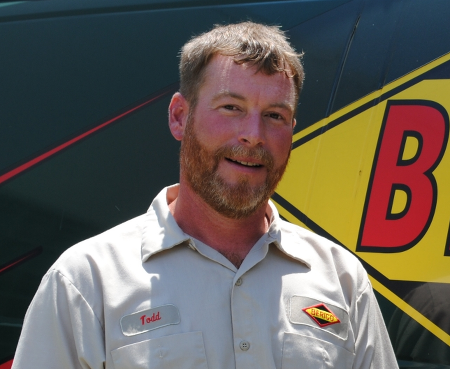 Any job in the heating and cooling industry is a lucrative career. Becoming an HVAC technician is an ideal career choice for someone with a high school diploma and mechanical aptitude. Salaries are competitive for technicians in North Carolina, and the job market looks positive for the near future. If you are interested in a career with a reputable HVAC company in NC, here’s what you need to know.
Minimum Requirement is a High School Diploma or GED
It is necessary to have completed high school and received a diploma or a GED as a base requirement to consider training to be an HVAC technician. Math, chemistry, physics, shop, and computer classes all contribute to a solid background for learning how to repair and install heating and air conditioning systems.
Start Out as an HVAC Technician’s Assistant to Gain Experience
Before enrolling in a technical school or community college, it is wise to get some on the job experience first. Get a job as an assistant to an HVAC technician in order to see firsthand what the job of a technician truly entails. If you are still interested in training to be a technician after a few months on the job, it’s safe to say you should continue on with your education in the field.
Complete an Associate’s Degree or Certification
Once you’ve worked in the field a while and you are still interested in becoming a technician, enroll in a program at your local community college or technical school. Employers may offer financial assistance or tuition reimbursement for your schooling as long as you continue to work for the same HVAC company after completing your certification. You may even be able to find a paid apprenticeship program that will allow you to work and gain your certification or degree at the same time.
Get Your HVAC Technician License and Keep it Renewed
In order to work as an HVAC technician in North Carolina you are required to be licensed. You will have to pass a test to gain licensure, and it is your responsibility to renew your license periodically as necessary. You may have opportunities to complete training courses through the HVAC company you work for, as they are required to employ licensed technicians.
North Carolina is one of the Best States for HVAC Technicians
There’s always a need for HVAC technicians in North Carolina. With hot summers and chilly winters, it seems there’s always repairs, maintenance, and installation to do. Average salaries are competitive with the cost of living and rival the salaries of people with four year college degrees working in other fields.
If you are interested in becoming an HVAC technician and you wish to work for Alamance Oil or Berico, submit your resume online on the careers page. Whatever step in the process you are currently working toward, you may find just the right opportunity here.
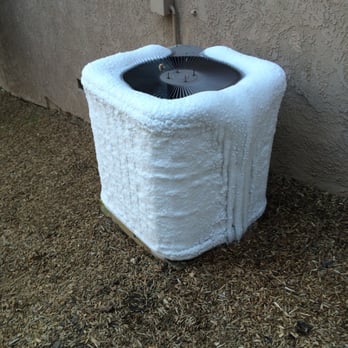 So you’ve started seeing ice forming on your air conditioning unit. You’re wondering how it’s possible for it to freeze in the scorching heat of summer. This is actually quite common and there are a few potential causes to explore. The good news is that this problem can be fixed by a specialist in heating and air in Greensboro, NC. Use this troubleshooting guide to help you identify the problem. Then take any necessary steps that can be done from your end or call Berico for assistance.
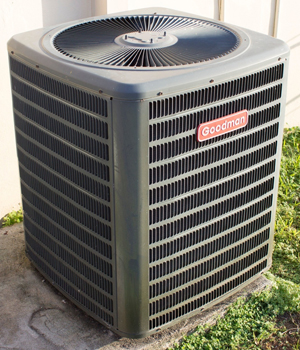 Have you been hearing unusual noises coming from your AC unit? Central air conditioners emit a variety of noises that range from normal to abnormal. Sounds like blowing air, soft whirring, one soft click when your system comes on, are all normal for a properly operating HVAC system. But if you hear a persistent clicking sound coming from your AC, it might be an indication that something isn’t right and
  With the warm weather season comes frequent thunderstorms and even the occasional hurricane. Is your HVAC system ready to handle severe weather? If you’re not sure, there are some steps you can take to make sure your air conditioner is prepared. When a storm catches you off guard, you could find yourself making an emergency call to your heating and cooling company. Don’t get stuck without AC after a storm by following these tips.
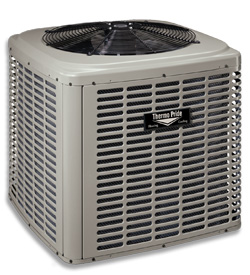 Recognizing When it’s Time for AC Replacement