

Weatherspoon Art Museum
The Weatherspoon Art Museum, located at 1005 Spring Garden St, Greensboro, NC 27412, is a Greensboro, NC museum that includes six galleries and a sculpture courtyard. With more than 17,000 square feet of exhibition space, there is plenty of room for patrons to roam around and find something that intrigues, pleases or even puzzles them.
Current Exhibitions
The exhibits at Weatherspoon Art Museum do change out frequently. Visitors should check the museum schedule to see what is currently available and to make sure they do not miss out on one of their favorite exhibits throughout the year. Some of the exhibits that are planned through 2022 include:
- Sheena Rose: Pause and Breath, We Got This: This exhibit showcases some of the newest artwork by Sheena Rose.
- 2022 UNCG MFA Thesis Exhibition: This exhibition shows off the new work done by MFA students at the UNC Greensboro School of Art.
- Ostensibly So: Sculpture from the Collection: This exhibit is a fantastic way to think outside the box, providing new ways of looking at 3D objects.
After looking at some of the exhibits, take the time to visit the sculpture courtyard to see some of the unique pieces in the Weatherspoon Art Museum collection.
Admissions and Parking
Weatherspoon Art Museum offers free admission and parking to all of its visitors. Not only are you encouraged to come and spend time learning and experiencing the arts, the exhibits are available for everyone to enjoy between normal business hours. Remember that the museum is closed Sundays and Mondays, as well as during major holidays.
Education
The Weatherspoon Art Museum offers a variety of educational opportunities for students of all ages. From K-12 classes to introduce different forms of art and introducing them to the world of art to university classes to help those with a passion for this medium, the Weatherspoon Art Museum is proud of offering many courses to everyone.
Tours
Visitors may choose to do a self-guided tour when they enter the facility. This allows them to take a look at the current exhibits as they walk through the area, discovering what interests them the most and stopping at any particular one for as long as they desire. If visitors wish to do a guided tour, these are also available, as are Group Tours.
Drawing and Photography
Sketching, as long as it is done with non-permanent drawing materials and pencils, are permitted within the museum to help capture the muse when it strikes you. However, flash photography is not permitted at any of the exhibits. Some exhibits will allow for non-flash photography, while others will not. Check this out. Visitors should look for signs at each exhibit or discuss with our staff members before taking any pictures.
Art has a way of capturing the soul and stirring the muses. When you are in the Greensboro, NC area, it is a good idea to visit the Weatherspoon Art Museum at 1005 Spring Garden St, Greensboro, NC 27412. You are sure to find plenty of great exhibits that will keep you coming back for more and more inspiration.
 Do you need a new HVAC system? Whether your current system is outdated or has completely shut down, you want to replace it with the best HVAC system available. Here’s what to look for in a new HVAC system and some of the best makes and models to consider.
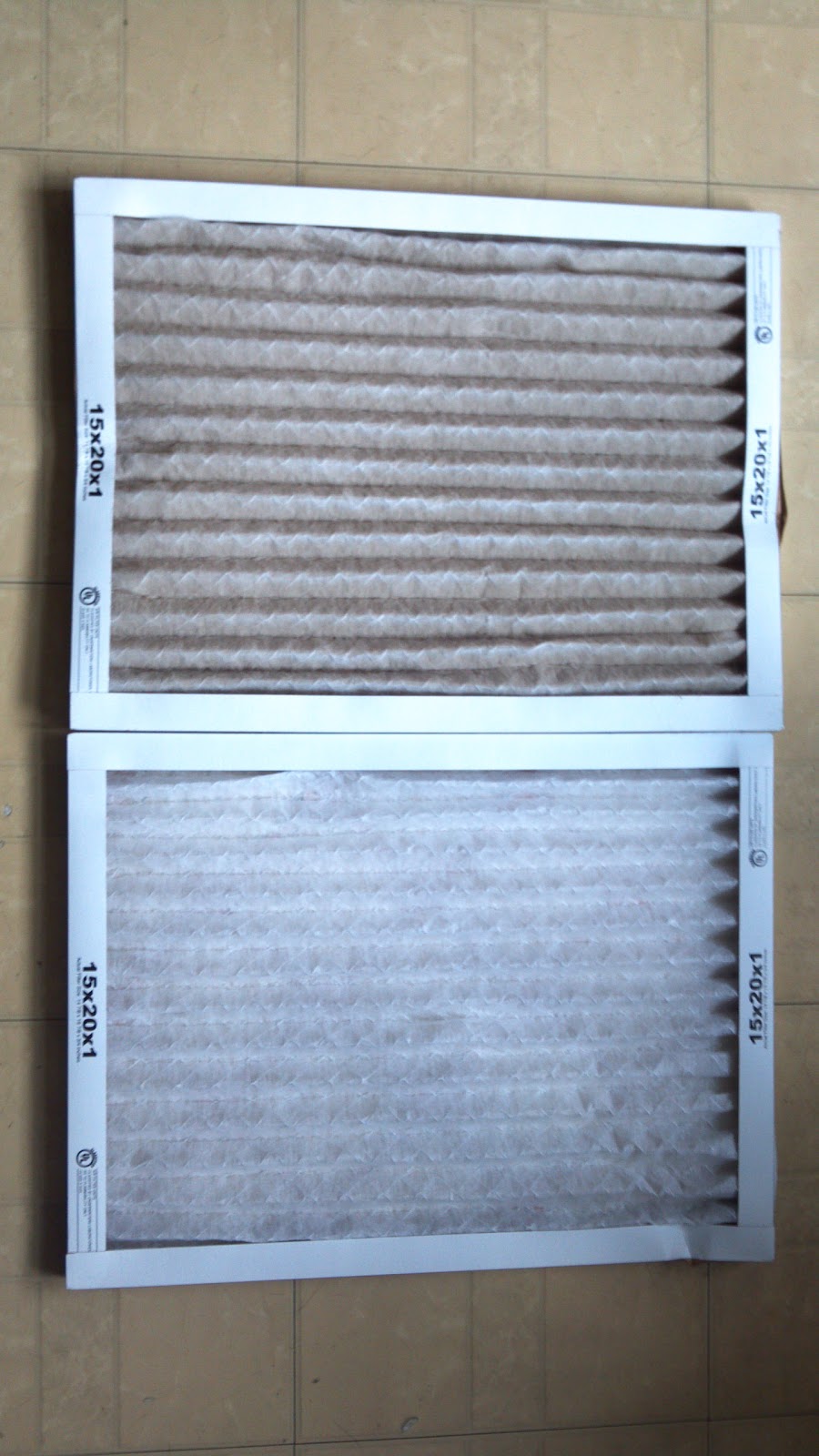 This is one of the most frequently asked questions about HVAC equipment maintenance. A forced air system, better known as central air, requires filters in the intake vents to keep dust and debris out of your system. These filters need to be replaced every so often to allow proper airflow through your HVAC system. How often? Learn the answer to this and other filter related questions.
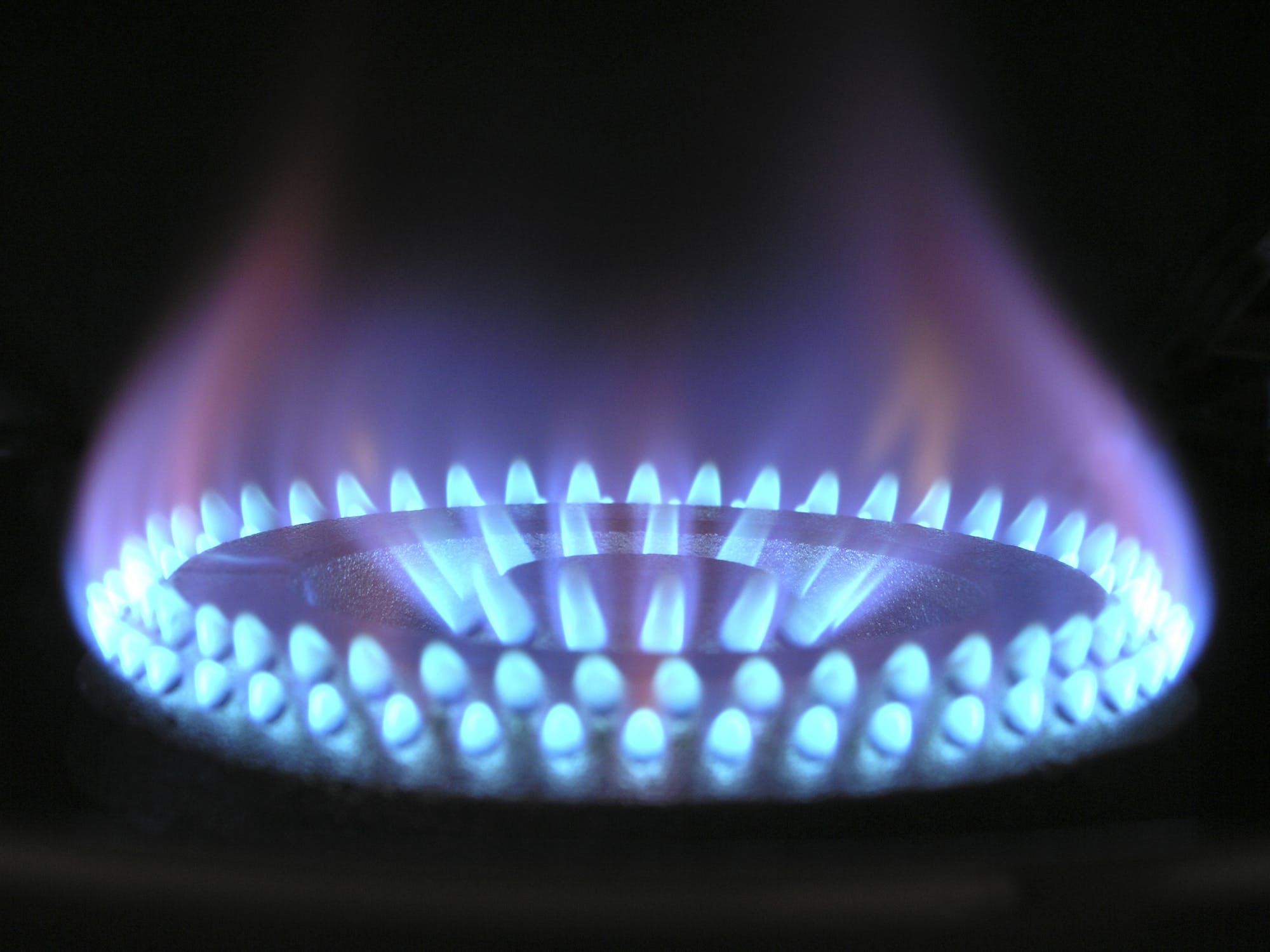 Propane is a versatile energy source. It can be used for home heat, water heaters, cooking, and other household appliances. If your home uses propane in any capacity, you have a tank that exists somewhere on your property. Some tanks are above ground and some are buried. They come in different sizes based on your needs. But the bottom line is that one tank can only hold a finite amount of propane, so you will need refills now and then to keep from running out.
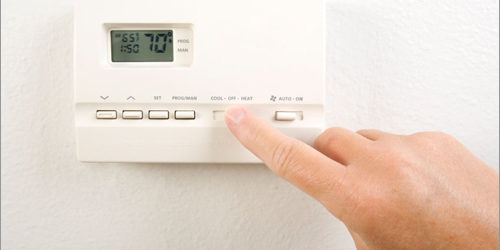 As the main control panel for your HVAC system, you come to rely on your thermostat to keep your home at a comfortable temperature. And, most of the time, it will do just that. So, it can be rather alarming to head to your thermostat and find that the screen is blank. If your thermostat is currently displaying no information on its screen, there are a few potential problems to consider. Explore the article below to see if you can solve this issue on your own or if professional help will be required.
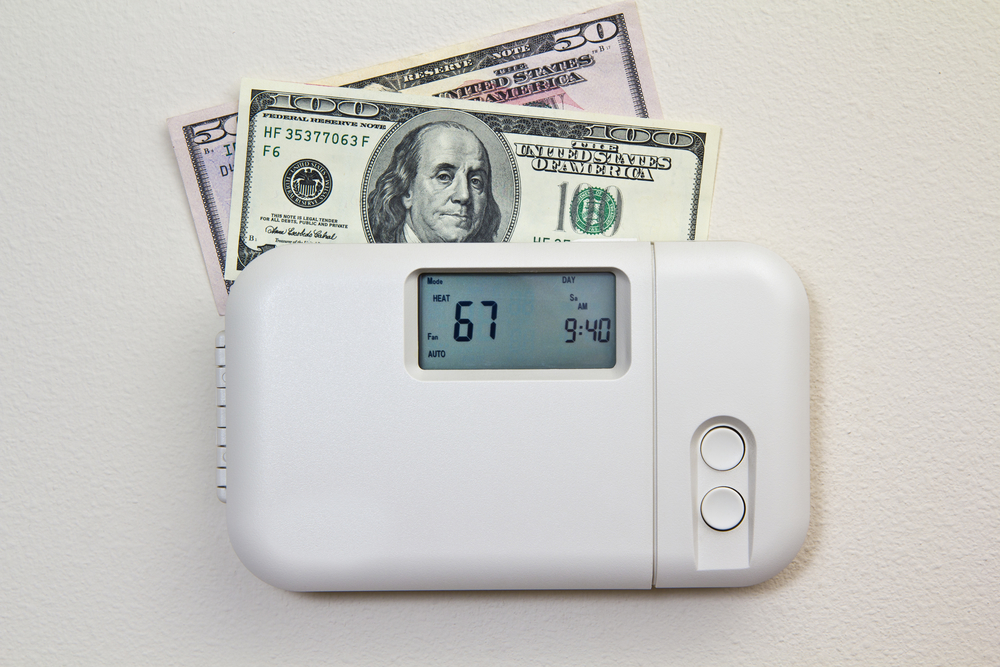 Does your home need a furnace? Whether you’re replacing an old furnace or you’re building a new home that will need a furnace, it is important that you choose the right one. The wrong furnace could leave your home feeling chilly, humid, or dry. You could also end up paying too much for heating energy.
  Are you in need of a residential propane supplier? If you have a propane furnace or if any other appliances in your home use propane, you must have a propane tank somewhere on your property. That tank, whatever the size, can only hold a certain amount of propane before needing to be refilled. Whether you’re a new propane customer or you’re thinking of switching suppliers, you may be wondering what to look for in a propane supplier. Here are the most important things to consider.